There's something symbolic about January 1st that makes us want to reset everything. We set fitness goals, organize closets, plan budgets – all in pursuit of that "new year, new me" feeling. But here's what often gets overlooked: the physical spaces where we spend our days have just as much impact on wellbeing as our habits do. A home that supports comfort and ease makes every other goal more achievable. And unlike many resolutions that require ongoing effort, improving your home's comfort level is a one-time action that pays dividends every single day of the year ahead.

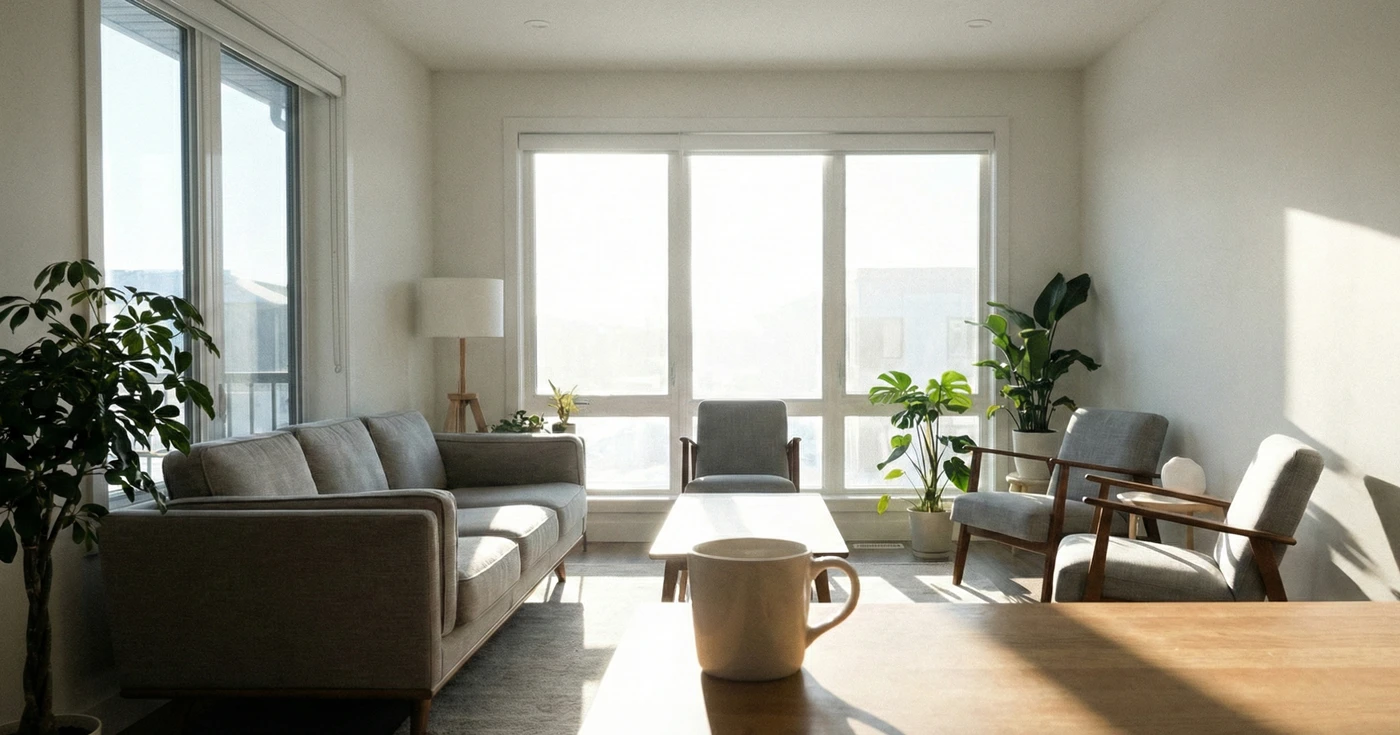
Why Physical Comfort Matters More Than We Think
We've all experienced it – trying to focus on work while sitting uncomfortably, attempting to relax on furniture that doesn't quite support us right, or avoiding certain rooms because they just don't feel inviting. These small discomforts accumulate. They're background noise we learn to tune out, but they're draining energy nonetheless.
Research from environmental psychology, including studies published in the Journal of Environmental Psychology, consistently shows that physical comfort in our environments directly affects mood, productivity, and overall life satisfaction. It's not just about luxury – it's about basic human needs being met.
The good news? Comfort upgrades don't require gut renovations or furniture replacement. Often, the difference between "fine" and "actually comfortable" comes down to simple additions and thoughtful updates to existing pieces.
Small Changes, Lasting Impact
Unlike resolutions that require daily willpower – going to the gym, eating better, staying organized – home comfort improvements work passively. You make the change once, and it benefits you automatically every time you use that space. It's the ultimate set-it-and-forget-it life upgrade.
Adding proper cushioning to your dining chairs means every meal becomes more enjoyable. Upgrading your sofa cushions transforms TV-watching from something you tolerate to something genuinely relaxing. These aren't dramatic transformations, but they're the kind of incremental improvements that compound over time into significantly better daily experiences.


Five Simple Home Refresh Ideas for 2026
These aren't overwhelming projects or expensive overhauls. They're targeted improvements that deliver maximum comfort increase for minimal effort and investment.
1 Upgrade Your Most-Used Seating
Think about where you actually sit in your home. Not where you think you should sit, but where you genuinely spend time. For most people, it's the sofa, maybe a favorite chair, possibly dining chairs if you work from the table.
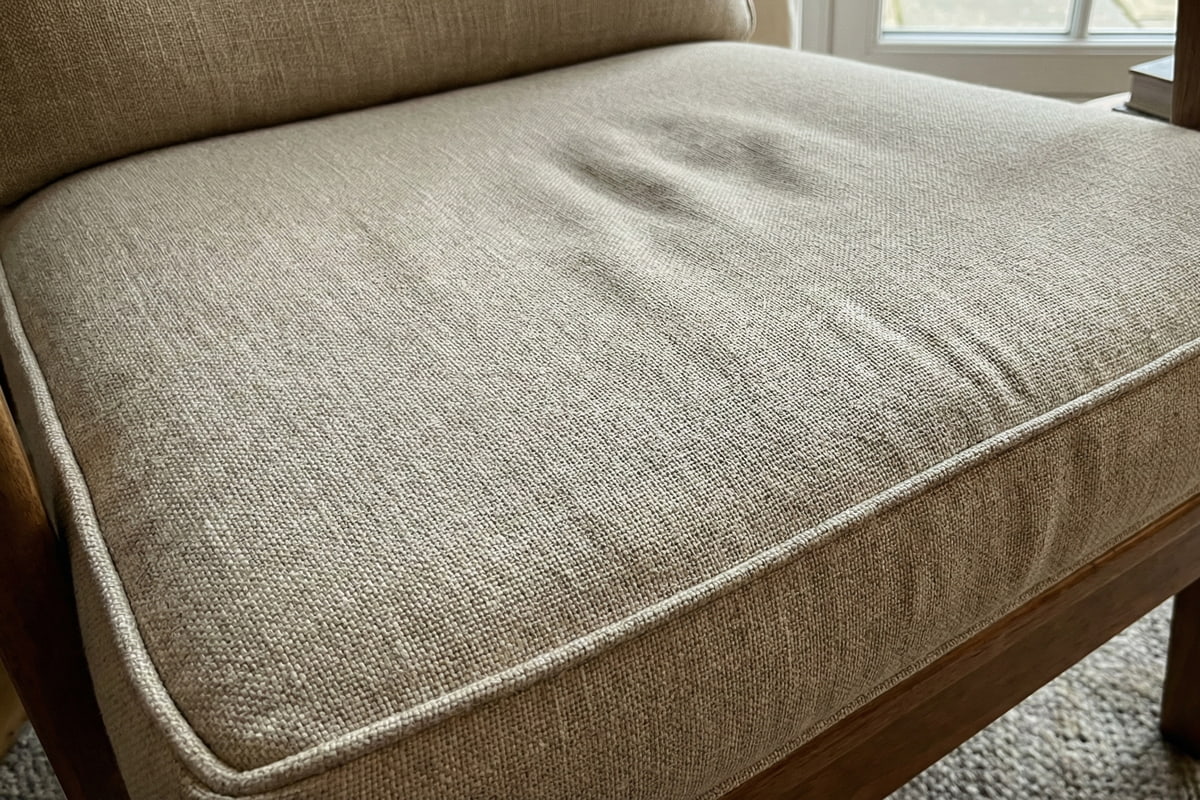
Start there. If your sofa cushions have compressed into sad pancakes, replacing them will change how you feel about your entire living room. The same furniture that felt tired and uninviting suddenly becomes the place you want to be.
Reality Check: Quality cushions aren't as expensive as you might think, especially when measured against how much use they'll get. A cushion you sit on daily for years costs pennies per use when broken down. Meanwhile, that gym membership you'll use three times costs… well, we've all done that math.
For chair seating that gets heavy daily use, high-density foam makes a noticeable difference. It maintains support longer, doesn't flatten as quickly, and provides the kind of comfort that lets you sit for hours without shifting constantly.
2 Make Dining Comfortable Enough for Lingering
Quick question: how long can you comfortably sit in your dining chairs? If the answer is "about as long as it takes to eat dinner," you're missing out on one of home's most valuable spaces.
The dining table isn't just for meals – it's where kids do homework, where you sort mail, where friends gather for coffee, where remote workers sometimes set up camp. When the seating is uncomfortable, all these activities become less appealing.
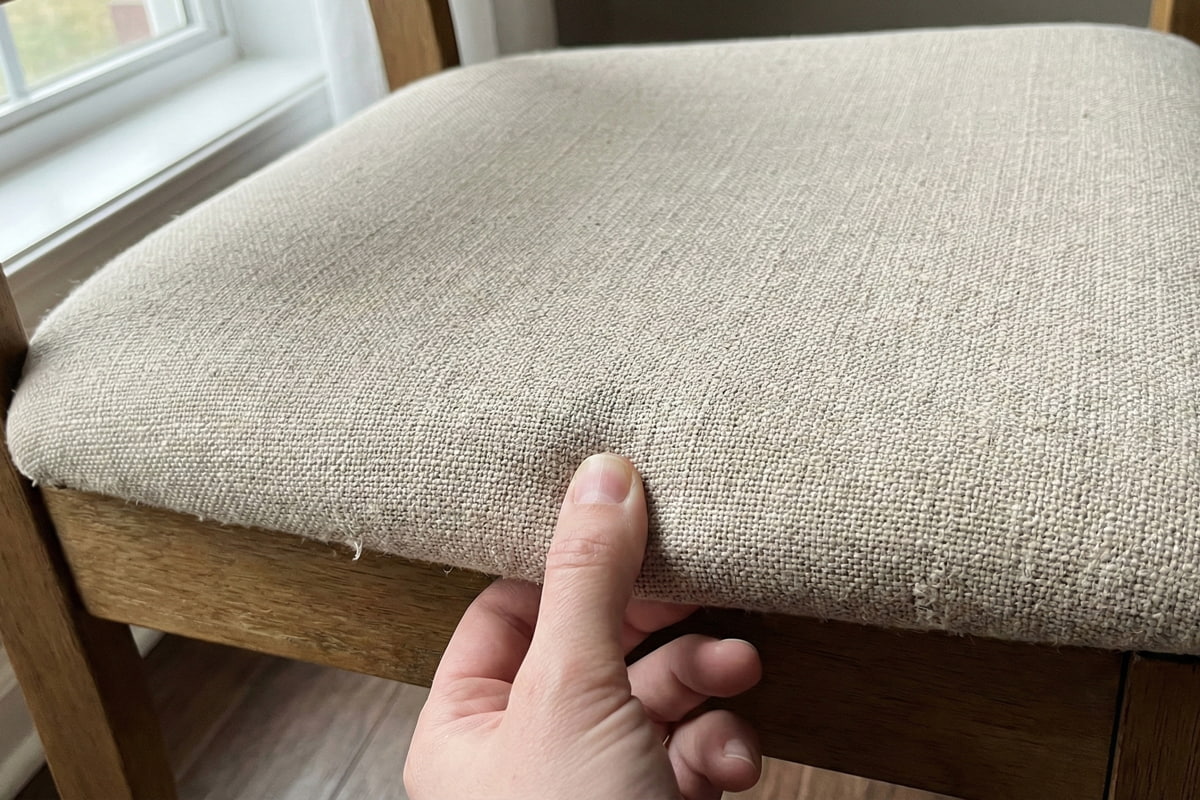
Adding proper dining chair cushions solves this. Suddenly, lingering over coffee becomes pleasant rather than painful. Working at the table for a few hours doesn't require strategic repositioning every fifteen minutes. The space becomes genuinely multi-functional instead of single-purpose.
Quick Action: Measure your dining chairs this week. Most standard chairs accommodate cushions of similar dimensions, making this an easy upgrade. Tie-on styles work for most chair backs and stay securely in place without slipping.
3 Transform Forgotten Seating Areas
Most homes have underutilized furniture – that bench in the entryway that's really just a place to pile things, the window seat that's too hard to actually sit on, the reading chair that never gets used because it's uncomfortable.
These pieces represent wasted potential. With proper cushioning, they transform from decorative furniture into functional seating that actually gets used. A bench with a good cushion becomes somewhere to sit and put on shoes, to wait while someone finishes getting ready, to set down bags when you come home loaded with groceries.
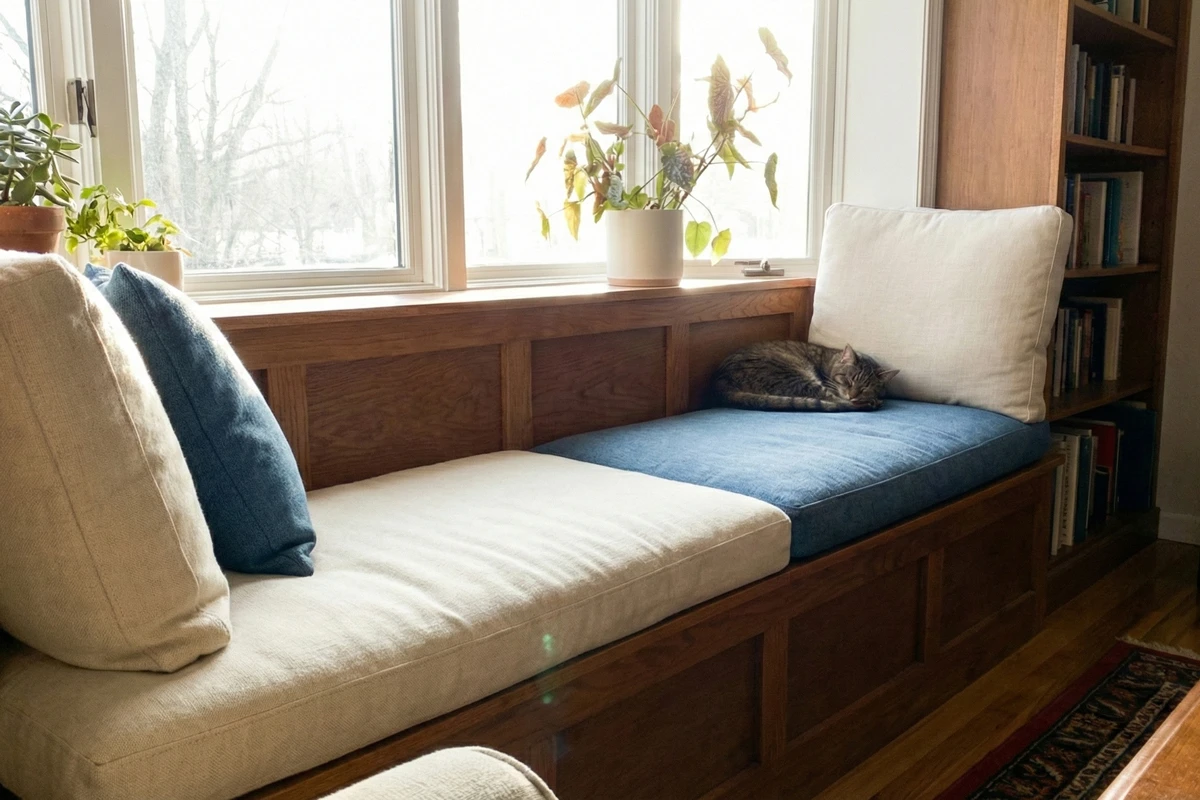
Window seats are particularly valuable when properly cushioned. They become reading nooks, coffee-drinking spots, places to sit and think. Without cushions, they're just decorative architecture. With cushions, they're valuable square footage reclaimed.
For spaces like bay window seating or entryway benches, custom sizing ensures proper fit. These aren't standard furniture pieces, so standard cushions often don't work well. Getting the sizing right makes all the difference between a cushion that gets used and one that gets tossed aside.
4 Layer in Texture and Softness
Beyond replacing worn cushions, adding layers of soft elements changes how a space feels. Throw pillows, cushions on chairs that didn't have them before, seat pads on breakfast nook benches – these additions accumulate into a significantly cozier environment.
The beauty of this approach is its flexibility. You're not committing to one big change but rather building up comfort gradually. Start with one or two pieces, see how they work, add more as budget allows. Each addition makes the space slightly better.
According to interior design research from Houzz's annual trend reports, layered textures consistently rank among the most impactful and cost-effective ways to improve home comfort and aesthetics. Mixing materials – velvet with linen, leather with cotton – creates visual interest while serving practical comfort needs.
The most successful homes aren't the ones that look perfect in photos. They're the ones where people actually want to spend time, where sitting down feels good, where the physical environment supports rather than hinders daily life.
For spaces like breakfast nooks where built-in seating dominates, adding cushions transforms what's often hard, utilitarian furniture into genuinely pleasant seating. These spaces become places people choose to sit, not just where they sit when necessary.
5 Prioritize Longevity Over Trends
This might seem counterintuitive for a "new year refresh" article, but hear me out: the best improvements are ones that still feel right in 2027, 2028, and beyond. Trendy colors or patterns that feel exciting now might feel dated by next January, requiring another refresh to maintain satisfaction.
Instead, choose colors and materials with staying power. Classic neutrals work in any season and with any decor changes you make around them. Quality construction means cushions maintain their shape and support year after year rather than needing replacement after one season.
Long-term thinking: A $150 cushion that lasts five years costs $30 per year. A $60 cushion that needs replacing annually costs… $60 per year. Sometimes the more expensive option is actually more economical when you account for longevity. Plus, there's the hidden cost of repeatedly shopping, ordering, and installing replacements.
When selecting fabrics, performance materials offer practical advantages without sacrificing aesthetics. They resist stains, clean easily, and maintain appearance longer than traditional upholstery fabrics. For households with kids, pets, or simply active daily use, this resilience proves invaluable.
The Psychology of Fresh Starts
There's a reason New Year's resolutions are so appealing – they offer clear demarcation points. Before and after. Old year and new year. This psychological fresh start effect, documented extensively in behavioral science research, provides motivation that's harder to summon on random Tuesdays in March.
Home improvements leverage this same psychology. The physical change in your environment serves as a constant reminder of your intention to prioritize comfort and wellbeing. Unlike internal resolutions that require ongoing willpower, environmental changes work automatically, supporting your goals through simple presence.
Every time you sit on your newly comfortable sofa, every meal where you're not squirming in your dining chair, every morning you choose to sit at your newly cushioned window seat with coffee – these are small confirmations that the new year really is different, that you've made tangible improvements to daily life.
Breaking the Perfection Paralysis
One reason home improvement projects stall is waiting for the "perfect" solution. We research endlessly, compare options until they blur together, wait for sales, postpone until we can do everything at once. Meanwhile, months pass sitting on uncomfortable furniture.
Here's permission to start imperfectly: one cushion is better than no cushions. Upgrading your most-used chair is better than doing nothing while you save up to replace all the furniture. Small improvements that happen this month beat perfect solutions that might happen someday.
The beauty of cushion upgrades is their modular nature. You don't need to commit to redoing your entire home. Replace what needs replacing most. Add cushioning where it'll have the biggest impact. Build from there as time and budget allow.


Making Comfort Your New Year Resolution
Most resolutions focus on doing more – exercising more, saving more, achieving more. What if this year's resolution was about feeling better in the space where you already spend most of your time?
The concept is simple: commit to making your home genuinely comfortable. Not Pinterest-perfect or showroom-ready, but actually pleasant to live in. This might mean different things for different households – new cushions for worn furniture, additions to make hard seating bearable, or simply properly cushioning spaces that have never been comfortable.
Unlike resolutions that demand ongoing effort and discipline, comfort improvements require just one action but deliver benefits constantly. You upgrade the cushions once, then enjoy them every single time you sit down for the next several years. That's an incredibly favorable effort-to-benefit ratio.
Resolution Framework: Identify the three seating areas you use most frequently. Commit to making those three spaces genuinely comfortable by end of January. That's it. Three pieces. One month. Totally achievable, and the impact on daily life will be immediately obvious.
Beyond Aesthetics to Actual Wellbeing
There's a tendency to treat home improvement as purely aesthetic – making things look better. But comfort is fundamentally about wellbeing. It's about reducing the small physical stresses that accumulate throughout the day. It's about creating environments that support rather than drain you.
When you're physically comfortable in your home, everything else gets easier. You're more likely to invite people over when your seating is pleasant for guests. You're more inclined to spend relaxed time with family when gathering spaces feel good. You have more energy for other things when you're not constantly compensating for uncomfortable furniture.
According to research on environmental factors and wellbeing highlighted in health psychology literature, physical comfort in one's primary environment correlates with reduced stress and improved overall life satisfaction. It's not frivolous – it's fundamental.

Practical Steps to Start This Week
If you're reading this in the final days of December or early January, here's your action plan:
Audit your seating today: Walk through your home and honestly assess where you sit. What's uncomfortable? What's worn out? What do you avoid using because it doesn't feel good?
Prioritize by frequency of use: Start with the pieces you use every single day, not the ones that would look best refreshed.
Measure accurately: Take the time to measure properly. Wrong sizing means cushions that don't quite work, which means they don't get used.
Consider fabric practically: If you have kids, pets, or tend to eat on the furniture, performance fabrics save stress. If you're neat and careful, you have more options.
Set a realistic timeline: Custom cushions take time. If you need something by a specific date, account for production and shipping when ordering.
For specialized pieces like chaise lounges or unique furniture shapes, professional custom work ensures proper fit and comfort. These aren't places to compromise – ill-fitting cushions are almost as bad as no cushions.
Make Comfort Your New Year Resolution
As you look ahead to 2026, consider making comfort a priority. Not as an indulgence, but as an investment in your daily quality of life. The hours you spend in your home add up to years over a lifetime – shouldn't those hours feel good?
At Rofielty, we believe comfort isn't optional. It's the foundation of a home that truly works for the people living in it. Our cushion collections focus on lasting quality and genuine comfort – pieces designed to make your home better every single day of the year ahead.
Whether you're ready to upgrade now or planning improvements for later in the year, we're here to help. Browse our collections for ready-made options or contact us about custom solutions tailored to your specific furniture and needs. This year, choose comfort. You deserve it.
Looking Forward
The new year stretches ahead full of possibilities. Some of those possibilities involve big goals and major changes. But some of the most meaningful improvements are smaller, quieter, and more immediate than we realize.
Making your home genuinely comfortable falls into this category. It's not a dramatic transformation, but it's a real one. It's the kind of change that compounds over time, making every day slightly better, every moment spent at home more enjoyable.
As you set intentions for 2026, include this one: your home should support and comfort you, not just house you. It should be the place where you relax most easily, feel most yourself, and genuinely want to spend time. And if it's not that yet, well – that's what this new year is for.