
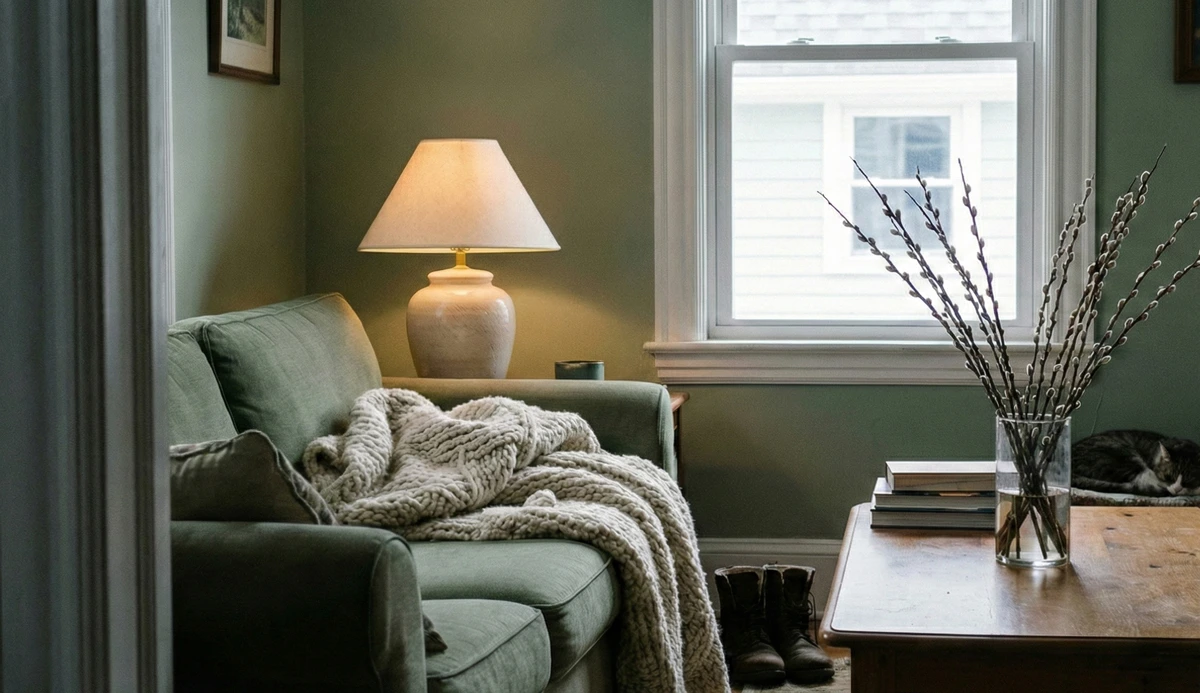
The calendar shows February, but the reality outside might still look like January. Winter hasn’t loosened its grip yet, and spring feels distant. But this transitional period – these last weeks of winter before the slow awakening of spring – offers something valuable: perspective. You’ve lived in your home through the coldest, darkest months. You know exactly which spaces work and which don’t. You understand where comfort exists and where it’s been missing. And you have just enough time ahead to make changes that will serve you not only for the remainder of winter but through the gentler months to come.
The In-Between Season
Late winter occupies a strange temporal space. It’s not the festive energy of December, not the crisp novelty of January, and definitely not the promise of March. It’s the long middle – weeks that can feel endless when your home doesn’t adequately support the life you’re living within it.
This is when the comfort of your indoor spaces matters most. You’re still spending the majority of time inside. The weather remains unpredictable – some days deceptively mild, others bitterly cold. Social activities still tend toward indoor gatherings rather than outdoor adventures. Your furniture, your seating, your cushions – they’re still working overtime.
Why Now Makes Sense
Waiting for spring to address comfort issues means enduring weeks of unnecessary discomfort. But more than that, it means missing the benefit during the very season when indoor comfort matters most. Making improvements now means you experience the value immediately and continue experiencing it as seasons transition.
There’s also practical wisdom in acting during this period. According to seasonal consumer behavior data from Statista’s home improvement research, late winter represents lower demand for custom home goods compared to spring rush periods. This often translates to faster production times and sometimes better pricing as manufacturers work to maintain steady production schedules.


Comfort That Crosses Seasons
The best home improvements aren’t seasonal – they’re foundational. Quality cushioning doesn’t need to be swapped out when weather changes. It simply continues performing its function regardless of what’s happening outside.
Late Winter Needs
Extended indoor sitting time demands supportive, resilient cushioning that won’t bottom out during long use sessions. Cold weather means less tolerance for discomfort.
Spring Continuity
As weather improves, indoor time remains significant. The same cushions that supported winter reading marathons work equally well for rainy spring afternoons and evening gatherings.
This continuity is where quality investments prove their value. Rather than thinking seasonally – winter cushions, spring refresh, summer changes – you think foundationally. Get it right once, and it serves you through all seasons.
Versatile Design Choices
Cushions that work year-round avoid overtly seasonal aesthetics in favor of timeless design. This doesn’t mean boring – it means thoughtful color and pattern choices that complement your space regardless of calendar.
- Neutral earth tones that anchor spaces without dominating them
- Classic patterns like subtle stripes or textures that add interest without dating
- Quality fabrics that look appropriate in winter’s cozy mode and spring’s fresher energy
- Colors that work with both warm winter lighting and brighter spring natural light
For pieces like primary seating or benches that anchor your rooms, this versatility means your space feels cohesive year-round without requiring constant updates.
Fabric Consideration
Indoor fabrics selected for durability and appropriate support work across seasons naturally. The same performance fabric that resists winter’s hot chocolate spills handles spring’s muddy paw prints or rainy day tracking. Quality upholstery isn’t seasonally specific – it’s comprehensively practical.
The Transition Timeline
Understanding the months ahead helps inform smart timing decisions about home comfort improvements.
Late February – Early March
Still predominantly indoor living. Weather remains cold and unpredictable. Any comfort improvements pay immediate dividends during these weeks when indoor time is maximum and patience with discomfort is minimum.
Mid-March – April
Transitional period. Some outdoor activity resumes but indoor spaces remain primary. Weather variability means flexibility – comfortable seating for unexpected cold snaps and rainy weeks that keep you inside.
Late April – May
Spring establishes itself. Outdoor time increases but indoor seating still serves daily needs – morning coffee, evening relaxation, work-from-home hours. Quality cushioning continues earning its keep.
Summer and Beyond
Even during warmest months, indoor furniture sees regular use. Air-conditioned comfort draws people inside during heat. Evening gatherings happen on indoor seating. Year-round functionality proves its worth.
Investment Thinking for Lasting Value
Approaching cushion replacement as investment rather than expense shifts the entire decision framework. Investments are evaluated on return over time, not just initial outlay.
The Multi-Season Return
A quality cushion purchased in February serves you through:
- Remainder of winter’s heavy indoor use
- Spring’s transitional indoor-outdoor balance
- Summer’s air-conditioned refuge periods
- Fall’s return to indoor focus
- Next winter’s demands
- And the cycle continues for years
Calculating return-on-investment for cushioning is straightforward: hours of comfortable use divided by cost. Quality cushions used daily for five years deliver thousands of comfortable hours for a few hundred dollars – pennies per use.
The furniture that serves you well across all seasons becomes invisible in the best way – you stop noticing it because it simply works, reliably, without demanding attention or accommodation.
Custom Advantages That Compound
Custom cushioning offers specific benefits that become more valuable over time and across seasons:
Precise fit means cushions stay in place whether it’s winter’s static-prone dry air or spring’s humidity. They don’t shift, bunch, or gap regardless of conditions.
Appropriate foam density maintains support through temperature variations. Quality foam doesn’t become overly firm in cold or too soft in warmth – it performs consistently.
Professional construction withstands seasonal stress. Seams don’t split during winter’s dry conditions or summer’s expansion-contraction cycles. Fabrics don’t fade prematurely from varying light exposure across seasons.
For specialized pieces like dining seating or window seats, custom work ensures the fit and quality that make them functional and comfortable year-round, not just acceptable in certain seasons.
Sustainability consideration: One well-made cushion lasting 5-7 years generates far less waste than multiple cheap replacements over the same period. Durability isn’t just economically smart – it’s environmentally responsible. Quality purchases made now reduce future consumption and disposal.

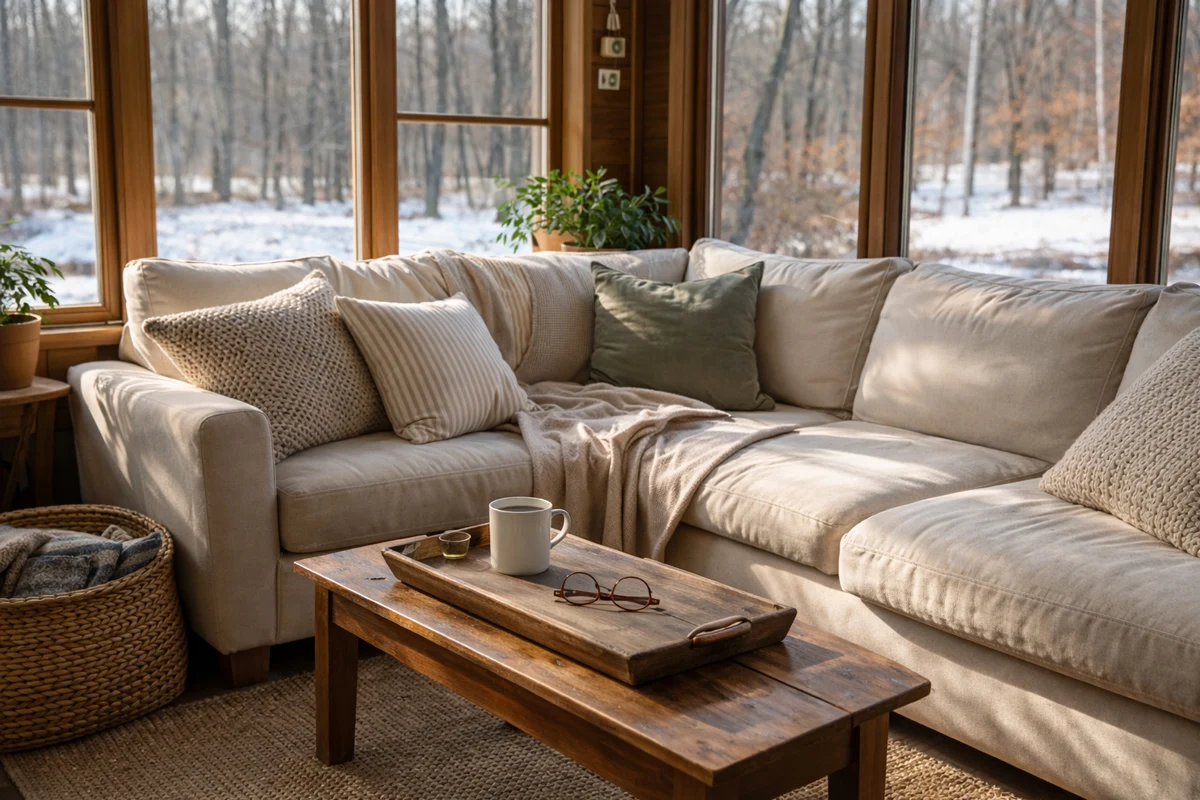
Practical Steps for This Moment
If the concept of preparing your home for months ahead resonates, here’s how to move from consideration to action:
- Honest assessment: Which seating do you actually use regularly? Not which pieces you wish you used, but which see daily or near-daily use across seasons?
- Priority ranking: Start with highest-impact pieces. Your most-used sofa or work-from-home chair delivers more value from upgrading than occasional-use guest room furniture.
- Accurate measurement: For custom work, precision matters. Measure multiple times, at different points along each dimension. Account for any curves or non-standard shapes.
- Fabric selection: Choose based on your real lifestyle, not aspirational ideals. Pets? Kids? Tendency to eat on the sofa? Performance fabrics make sense. Careful and neat? More options available.
- Timeline consideration: Custom work takes time. Ordering now for delivery in 3-4 weeks means enjoying the improvement while winter lingers and throughout spring’s arrival.
The process isn’t complicated, but it requires actual execution. The gap between intending to improve comfort and actually improving it is where most home enhancement ideas die.
Beyond Single Pieces to Cohesive Comfort
While starting with priority pieces makes sense, eventually the goal is creating comprehensive comfort throughout your home. This doesn’t mean simultaneous replacement of everything – it means strategic, sequential improvement over time.
Perhaps this season you address primary living room seating. Next season, dining chairs. Eventually, secondary spaces like breakfast nooks or reading corners. Each improvement raises the overall comfort baseline of your home.
This staggered approach spreads cost over time while creating steady progress toward the genuinely comfortable home you deserve. Each addition makes the whole space better, and the accumulated improvements compound into spaces that truly support daily life across all seasons.
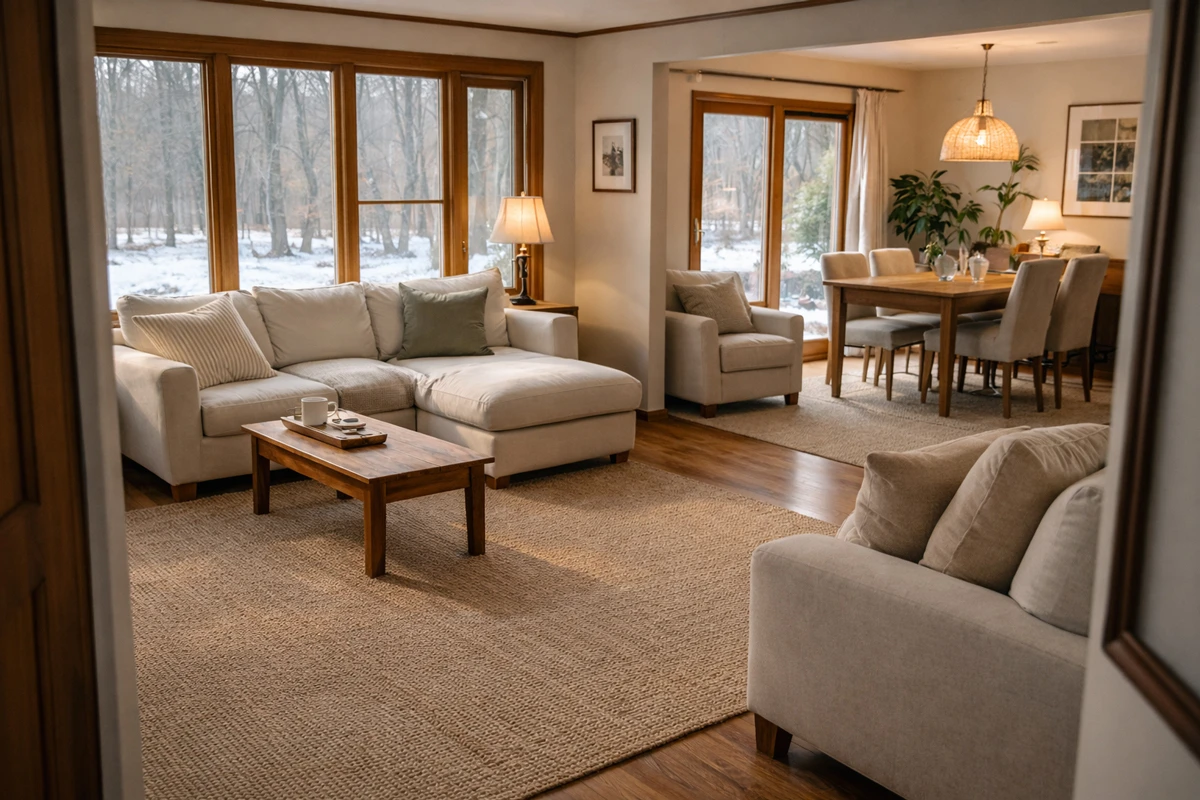
Build Lasting Comfort Now
The weeks between winter and spring offer opportunity – time to address comfort gaps before they plague you through another cycle of seasons. Time to invest in quality that serves you year-round rather than settling for temporary solutions.
At Rofielty, we create cushions designed for lasting performance across seasons and years. Our cushion collections prioritize materials and construction that maintain comfort and appearance through temperature changes, humidity variations, and the simple passage of time.
Whether you need custom solutions for unique furniture or quality options for standard pieces, we focus on specifications that matter: appropriate foam density for your use patterns, fabrics suited to your lifestyle, and construction quality that ensures years of reliable service.
Prepare your home for the months ahead. Invest in comfort that lasts.
Seasons change inevitably. Winter gives way to spring, spring to summer, summer to fall, and the cycle continues. But the comfort of your home – that’s something you can control, improve, and maintain regardless of what’s happening outside. Make the choice now, during these transitional weeks, to create the foundation of comfort that will serve you through all the seasons ahead. Your future self, settling into genuinely supportive seating on some random Tuesday months from now, will appreciate the decision you made today.