
The holiday decorations are coming down. The guests have gone home. The champagne glasses are washed and put away. And suddenly, with the house returned to its everyday state, you notice things you'd been too busy to see during December's chaos. That sofa cushion that's completely flat on one side. The dining chairs that nobody wants to sit in for long. The bench in the hallway that's more decorative than functional because the cushion disappeared years ago. January has a way of revealing these truths – and fortunately, January is also the perfect time to do something about them.
The Post-Holiday Reality Check
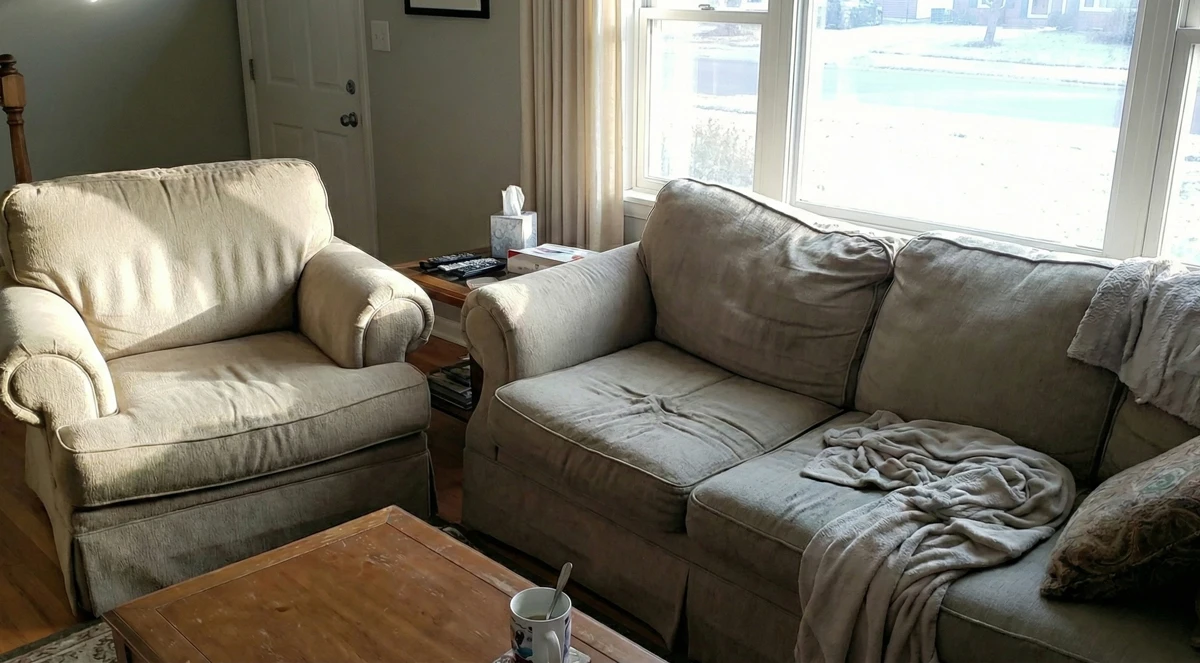
There's something about the contrast between holiday mode and everyday life that makes worn furniture suddenly visible. During December, everything is camouflaged by decorations, covered with throws, hidden under visiting relatives. But come January, when it's just you and your regular routine again, the state of your furniture becomes impossible to ignore.
Maybe you hosted Christmas dinner and watched guests subtly avoid certain dining chairs. Maybe you noticed yourself constantly adjusting position on the sofa during that New Year's Day movie marathon. Maybe you've developed unconscious habits – always sitting in the same spot, avoiding particular chairs, standing more than you sit. These adaptations happen gradually, so gradually that we barely notice we're making them.
January strips away the distractions and forces honesty about what's actually working in your home and what isn't. And when it comes to seating comfort, worn cushions are usually the culprit behind spaces that don't quite feel right anymore.
The Hosting Aftermath
If you hosted holiday gatherings, your furniture just went through its annual stress test. Extra people sitting for extended periods, weight distributed differently than usual, cushions compressed for hours at a time. Whatever weaknesses existed before the holidays got amplified during them.
Honest assessment time: Walk through your home and actually sit on each piece of furniture. Not just perch on the edge, but sit the way you normally would – fully settled in. Does it still support you properly? Or are you sinking into a crater? Is the padding still there, or are you essentially sitting on the furniture frame with fabric in between?
According to furniture industry research compiled by the Furniture Today market analysis, most cushion foam begins noticeable deterioration after 2-3 years of regular use, with significant comfort loss occurring around the 5-year mark. If you can't remember when you last replaced your cushions, that's probably your answer right there.

Winter Changes Everything
Beyond the post-holiday clarity, January specifically matters because winter fundamentally changes how we use our homes. We're inside more. We're sitting more. We're spending longer periods in the same spots. These behavioral shifts make cushion quality more important than it is during busier, warmer months.
The Indoor Season Amplifies Discomfort
During summer, you might sit on your sofa for an hour or two in the evening before going to bed. Winter? You might be settled in that same spot for four or five hours on weekend afternoons. That uncomfortable dining chair you could tolerate for quick weeknight dinners becomes genuinely problematic during long Sunday brunches or work-from-home days at the kitchen table.
The duration of sitting increases dramatically in winter, which means poor cushioning goes from minor annoyance to significant discomfort. Problems that were ignorable in July become unavoidable in January.
Winter behavior shift: Research on seasonal activity patterns shows that people spend approximately 30-40% more time sitting at home during winter months compared to summer. That's hundreds of additional hours putting pressure on your furniture's cushioning system. Worn cushions that seemed "fine" suddenly aren't fine at all when you're using them this intensively.
Cold Weather Demands More Comfort
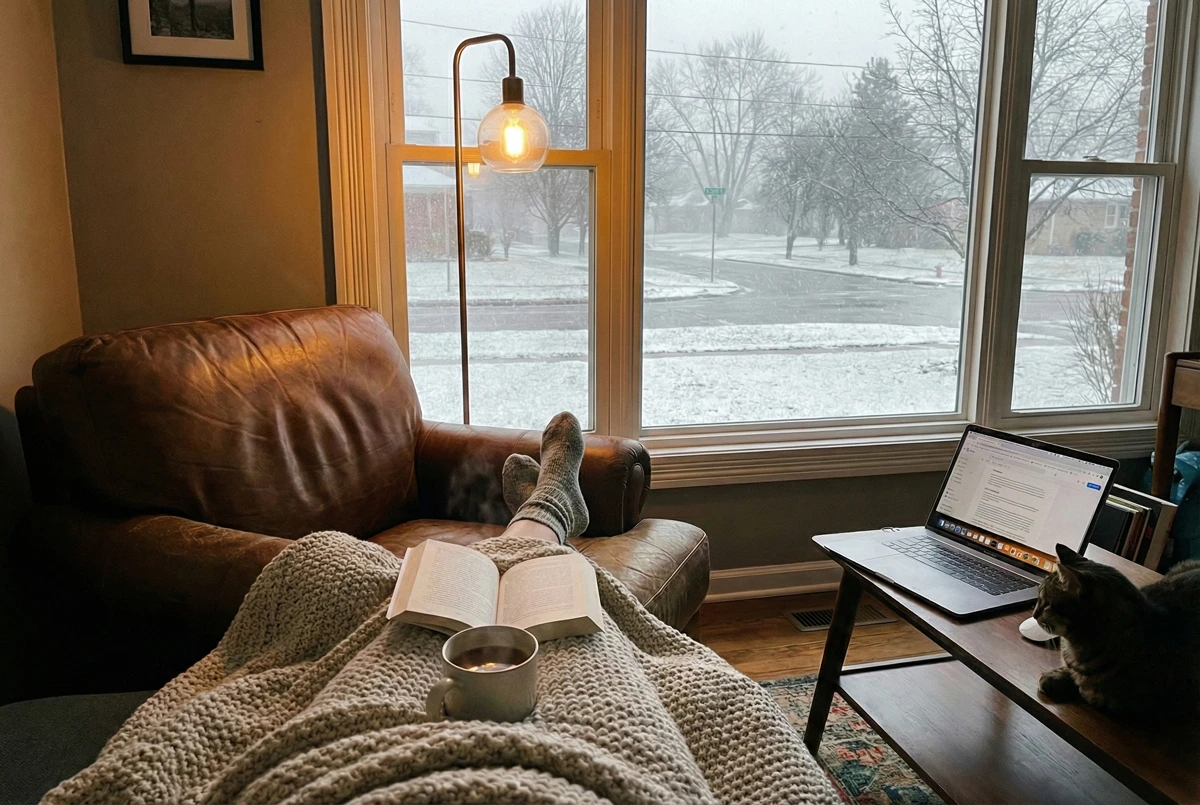
There's also a psychological component. Winter's darkness and cold make us crave coziness more intensely than during other seasons. We're drawn to comfort – soft blankets, warm drinks, plush seating – as antidotes to the harshness outside. Furniture that doesn't deliver that comfort feels particularly disappointing in January.
This is why winter often triggers home improvement impulses. We're spending so much time in our spaces that their shortcomings become impossible to tune out. The good news? Acting on those impulses in January positions you to enjoy the improvements for the entire rest of winter and beyond.
The Long-Term Investment Mindset
One reason people delay replacing cushions is thinking of it as an expense rather than an investment. But when you calculate the actual cost-per-use, quality cushion replacement becomes one of the most economical home improvements possible.
Running the Real Numbers
Let's say you invest $200 in quality replacement cushions for your most-used sofa. If those cushions last five years (conservative estimate for good materials), and you sit on that sofa for just one hour daily, that's:
365 days × 5 years = 1,825 days of use
1,825 hours of sitting comfort
$200 ÷ 1,825 hours = $0.11 per hour of comfort
Eleven cents per hour. That's less than a cup of coffee costs per month. When viewed through this lens, quality cushions aren't expensive – they're remarkably affordable for the daily benefit they provide.
Compare the Alternatives
What are your other options? Living with discomfort costs nothing financially but extracts a daily toll on your wellbeing and enjoyment of your home. Replacing entire furniture pieces costs exponentially more – thousands of dollars versus hundreds for cushion replacement. Cheap cushions that need replacing annually end up costing more over time than quality ones that last years.
When the actual alternatives are considered, investing in proper cushion replacement isn't just reasonable – it's the most logical choice.
The Compounding Returns of Comfort
Unlike most purchases that depreciate, comfort investments appreciate in a sense – their value grows over time as the benefits accumulate. Every comfortable movie night, every pleasant dinner conversation, every productive work-from-home session at the kitchen table, every cozy Sunday morning with coffee and the newspaper – these experiences add up to a quality of life improvement that's difficult to quantify but impossible to deny.
The things we use every single day deserve to be the things we invest in most thoughtfully. Furniture cushions fall squarely in this category – daily use items that fundamentally affect comfort and wellbeing.
Why Custom Makes Sense
When people think about replacing cushions, many assume they'll just buy something off-the-shelf that's close enough. But "close enough" is often the reason cushions don't work well and eventually get replaced again sooner than necessary. Custom cushioning solves problems that standard options can't.
The Fit Factor
Furniture dimensions vary wildly. A cushion that's even an inch too small slides around constantly. One that's an inch too large bunches up or doesn't sit flat. These seemingly minor sizing issues create ongoing annoyances that undermine comfort.
Custom sizing eliminates this frustration entirely. The cushion fits exactly as it should – no gaps, no overhang, no shifting around. For pieces like benches or window seats that almost never match standard dimensions, custom is often the only option that truly works.
Perfect fit means: No constant repositioning. No gaps where dust and crumbs accumulate. No frustration with cushions that won't stay in place. Just seamless comfort that works exactly as furniture should. The peace of mind alone is worth the modest additional cost of custom sizing.
Support Where You Need It
Beyond sizing, custom cushioning allows specification of foam density and type based on actual use requirements. Seating that gets heavy daily use benefits from higher-density foam that maintains support longer. Areas where people sit for extended periods might need different cushioning than spots used briefly.
Standard off-the-shelf cushions use whatever foam the manufacturer chose to maximize profit margins. Custom cushioning uses foam selected for your specific needs – balancing comfort, support, durability, and budget in ways that make sense for your situation.
For dining chairs where people sit during meals and work sessions, proper support matters tremendously. Quality dining cushions with appropriate foam density prevent the lower back pain and restlessness that come from prolonged sitting on inadequate cushioning.
Durability Through Quality Construction
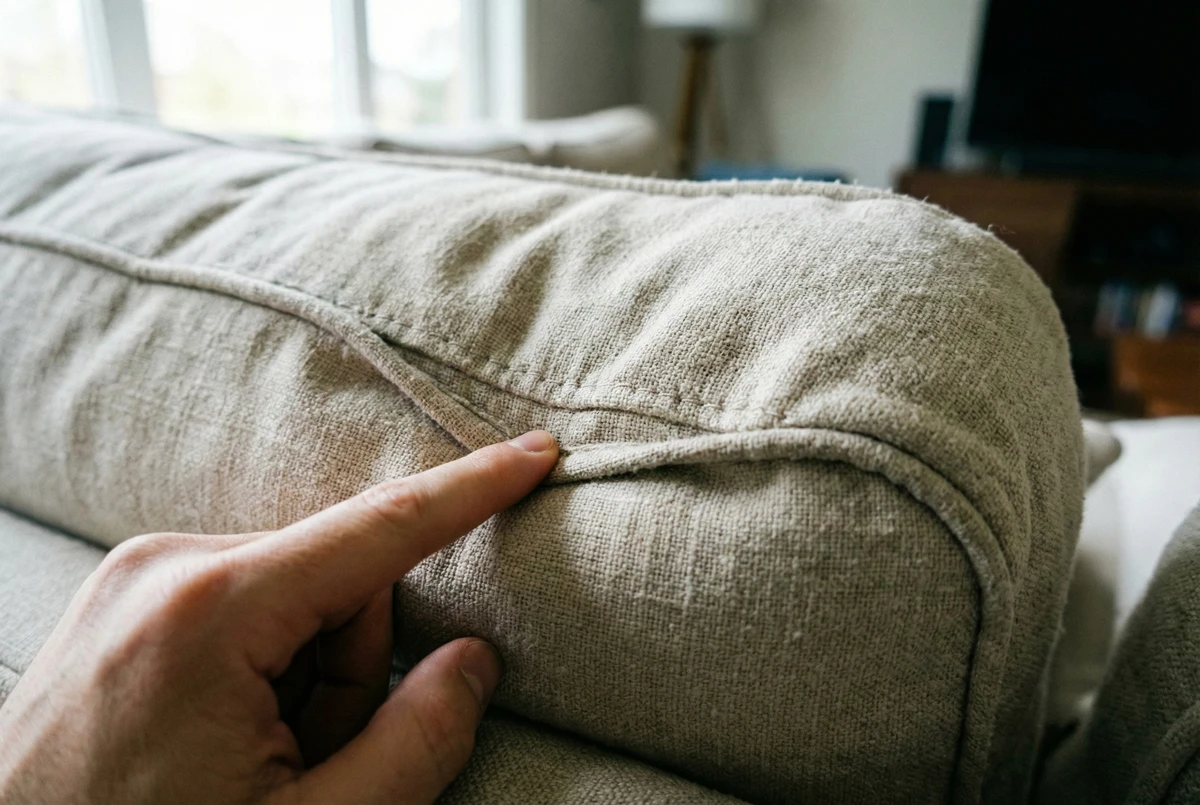
Custom cushions typically feature better construction than mass-produced alternatives. Professional piping, reinforced seams, quality zippers for removable covers – these details extend functional life significantly. According to textile industry data from American Society of Interior Designers research, professionally constructed custom cushions average 3-4 years longer usable life than budget alternatives.
That durability advantage means fewer replacements over time, less waste, and ultimately lower total cost of ownership. The slightly higher upfront cost pays for itself through longevity.
| Cushion Type | Initial Cost | Expected Lifespan | Cost Per Year |
|---|---|---|---|
| Budget Off-Shelf | $40-60 | 1-2 years | $30-40/year |
| Standard Quality | $80-120 | 3-4 years | $25-35/year |
| Custom Quality | $150-250 | 5-7 years | $25-40/year |
Notice that when calculated annually, custom quality cushions cost approximately the same as or even less than budget options – while delivering superior comfort and proper fit throughout their lifespan.
January Timing Advantages
Beyond the emotional and practical reasons, January offers specific logistical advantages for cushion replacement that make it objectively the best time to act.
Sales and Clearances
January is when retailers clear inventory from the previous year. Many furniture and home decor suppliers offer significant discounts during this period – sometimes 20-40% off regular pricing. These savings can make the difference between "I should probably do this" and "I can definitely afford this."
Even custom cushion manufacturers may offer January promotions as the holiday rush subsides and they're eager for early-year orders to maintain production schedules.
Production Timelines Work in Your Favor
If ordering custom cushions, lead times matter. During peak seasons (spring and early summer when everyone's thinking about home improvement), wait times can stretch to 6-8 weeks or longer. In January? Production schedules are typically more open, with 3-4 week turnaround times common.
This faster production means you can enjoy your improved furniture sooner, getting the benefit throughout the rest of winter rather than finally receiving cushions just as weather turns nice and you start spending more time outdoors anyway.
Planning advantage: Ordering in January positions you to have comfortable seating ready for Valentine's Day, President's Day gatherings, winter birthdays, and all the indoor entertaining that happens in late winter and early spring. By the time outdoor season arrives, your indoor comfort is fully sorted.
Less Competition, More Attention
When you're one of few customers instead of one of many, you often receive better service. Customer support teams have more time for questions. Production teams can focus more carefully on your order. The entire process tends to run more smoothly when businesses aren't overwhelmed with simultaneous rush orders.
This matters especially for custom work where communication and precision are important. January orders get the attention they deserve.
Practical Steps for January Cushion Replacement
If you're convinced that January cushion replacement makes sense, here's how to actually make it happen efficiently:
Inventory your seating this week – assess every piece honestly
Prioritize by frequency of use and severity of wear
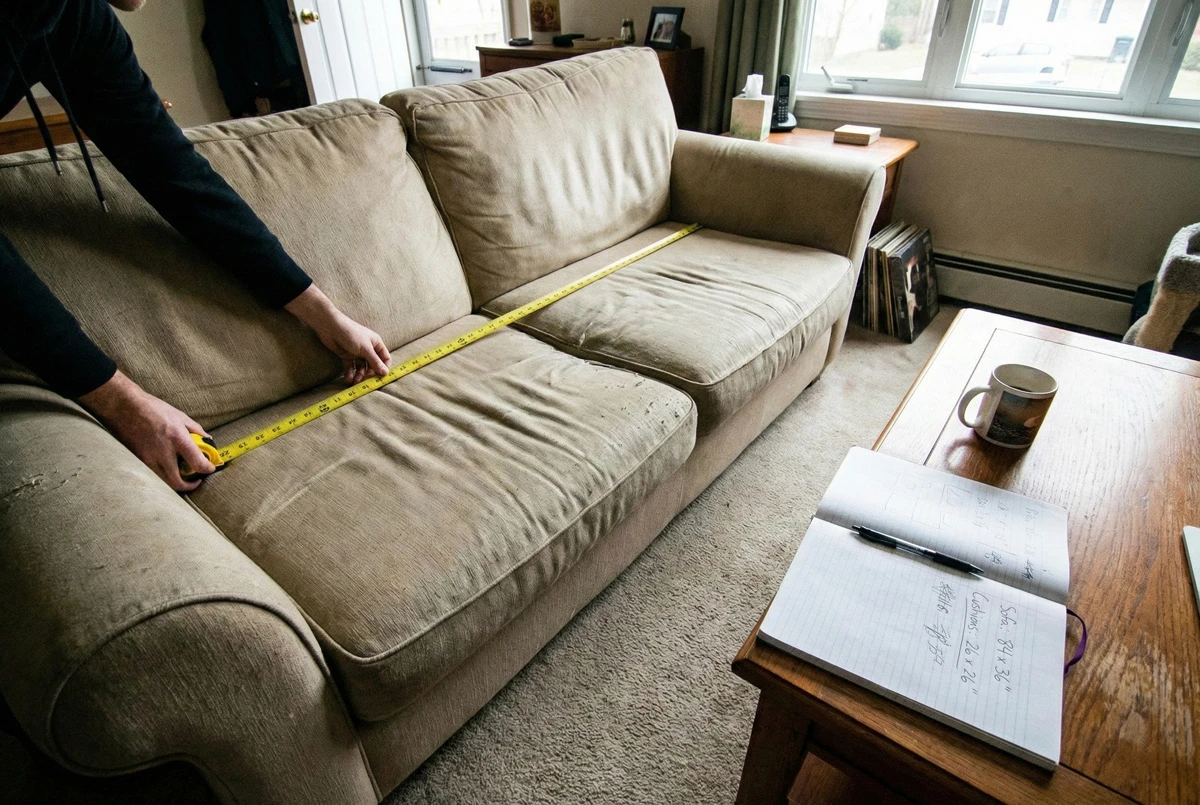
Measure accurately – width, depth, and thickness for each cushion needed
Research fabric options based on your lifestyle – pets, kids, eating habits
Set a realistic budget that accounts for quality over time
Place orders early in January to maximize production time advantages
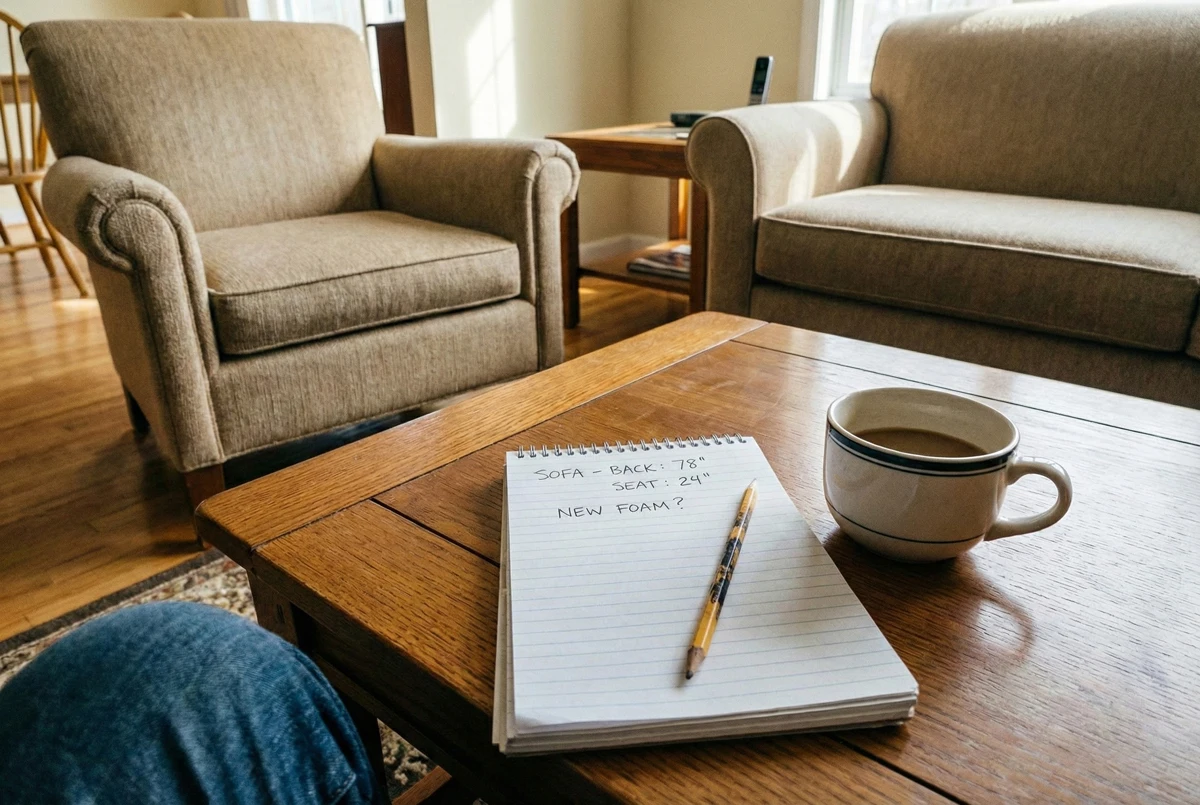
For frequently used spaces, investing in proper cushioning pays immediate dividends. Items like living room chair cushions or breakfast nook seating that see daily use should be first priority – they're where improved comfort will be most noticed and appreciated.
Beyond Replacement – Long-Term Maintenance
Once you've invested in quality cushions, protecting that investment makes sense. Simple maintenance extends cushion life significantly:
Rotate and flip regularly: Every month or two, rotate cushions to distribute wear evenly
Vacuum monthly: Prevents dirt from working into fabric and breaking down fibers
Address spills immediately: Quick response prevents stains from setting
Use removable covers when possible: Washable covers extend cushion life dramatically
Store properly during extended non-use: If you have seasonal furniture, proper storage prevents unnecessary deterioration
These small habits compound over time, potentially adding years to cushion lifespan. The effort is minimal – a few minutes monthly – but the return is substantial.
The Comfort Commitment
At its core, replacing worn cushions is about making a commitment to your own comfort and wellbeing. It's acknowledging that you deserve to feel good in your own home, that daily comfort matters, that small improvements accumulate into meaningfully better quality of life.
January's timing makes this commitment easier to act on. The post-holiday clarity reveals what needs attention. The winter weather makes comfort more valuable. The practical advantages – sales, production timing, less competition – remove obstacles to taking action.
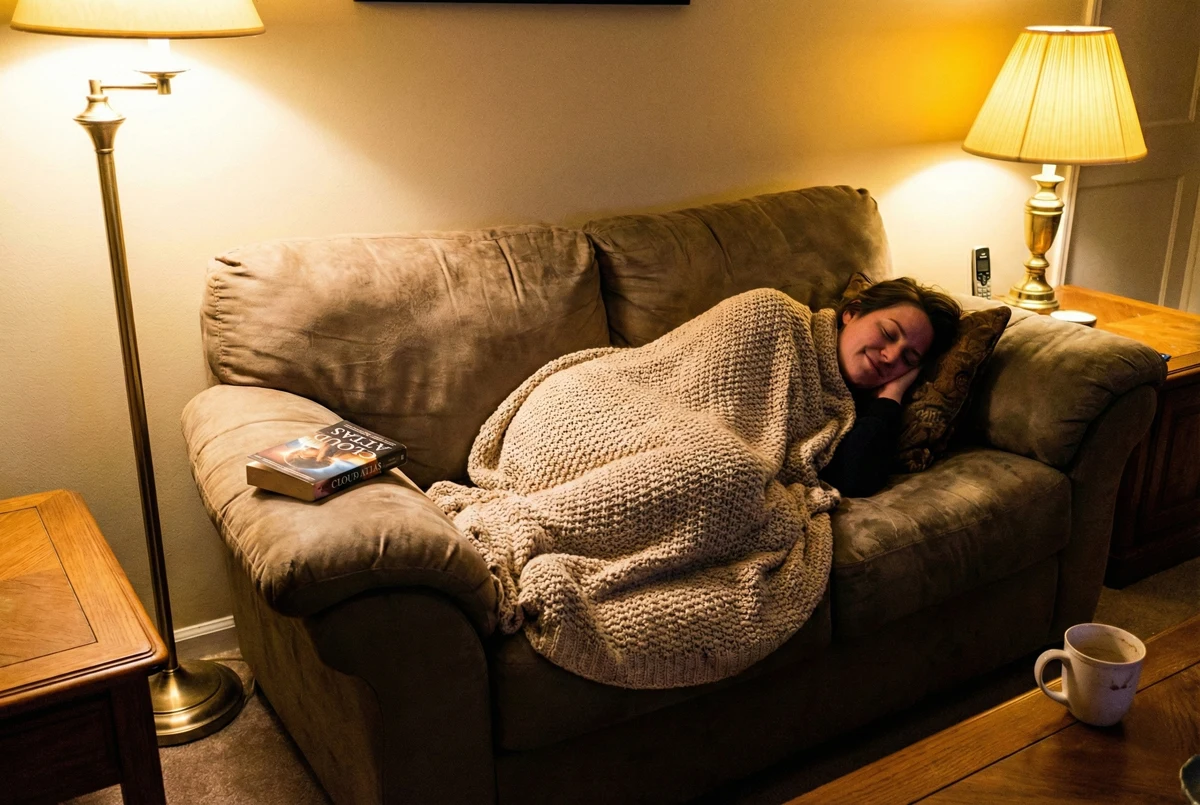
Future you will appreciate present you for handling this now. Imagine settling onto your sofa next week and feeling actual support instead of sagging into a crater. Picture sitting through a long dinner next month without squirming or getting up repeatedly. Envision spending a cozy February weekend reading on your newly comfortable window seat. These aren't fantasies – they're easily achievable outcomes of a straightforward decision to replace worn cushions.
Make This January Count
The timing is right. The need is real. The investment pays for itself in daily comfort over years. Why continue tolerating worn-out cushions when replacement is straightforward and affordable?
At Rofielty, we specialize in custom cushioning that fits properly, supports correctly, and lasts genuinely. Our cushion collections range from ready-made options for standard furniture to fully custom solutions for unique pieces. We understand that January timing matters, which is why we prioritize early-year orders to ensure you can enjoy improved comfort as soon as possible.
Whether you need specialized cushioning for unique furniture or straightforward replacements for standard pieces, we're here to help you get exactly what you need. Browse our collections or contact us to discuss custom options tailored to your specific furniture and requirements.
This January, choose comfort. Your home – and your back – will thank you.
Looking Ahead
As January unfolds and winter settles in for the long haul, your home becomes increasingly important as sanctuary from cold and darkness outside. The comfort level within those walls directly impacts how you feel every single day for the next several months.
Worn cushions might seem like a small thing, easily ignored or adapted to. But small discomforts repeated daily become significant burdens on wellbeing. Conversely, small improvements repeated daily become meaningful enhancements to quality of life.
Replacing your cushions this January isn't about achieving perfection or impressing anyone. It's about giving yourself the basic gift of physical comfort in your own home. It's about investing modestly in something that will serve you well for years. It's about recognizing that you spend too much time sitting on your furniture for that furniture to be uncomfortable.
The new year stretches ahead with all its possibilities and challenges. You'll face enough discomfort in the world beyond your walls. Within them, at least, you can ensure that when you sit down at the end of a long day, you're met with genuine comfort and support. That's not extravagance – that's basic wellbeing. And January is when you make it happen.