
How to Wash Polyester Couch Cushion Covers Without Ruining Them
Polyester cushion covers are practical, durable, and generally forgiving when it comes to cleaning – but “generally forgiving” doesn’t mean indestructible. Walk into the process without understanding a few key principles, and you might end up with shrunken covers that no longer fit, faded colors that look washed out, or fabric that’s somehow both stiff and clingy. The good news? Washing polyester cushion covers successfully is straightforward once you know what matters and what doesn’t. Let’s skip the hand-wringing and get to the practical guidance that actually works.
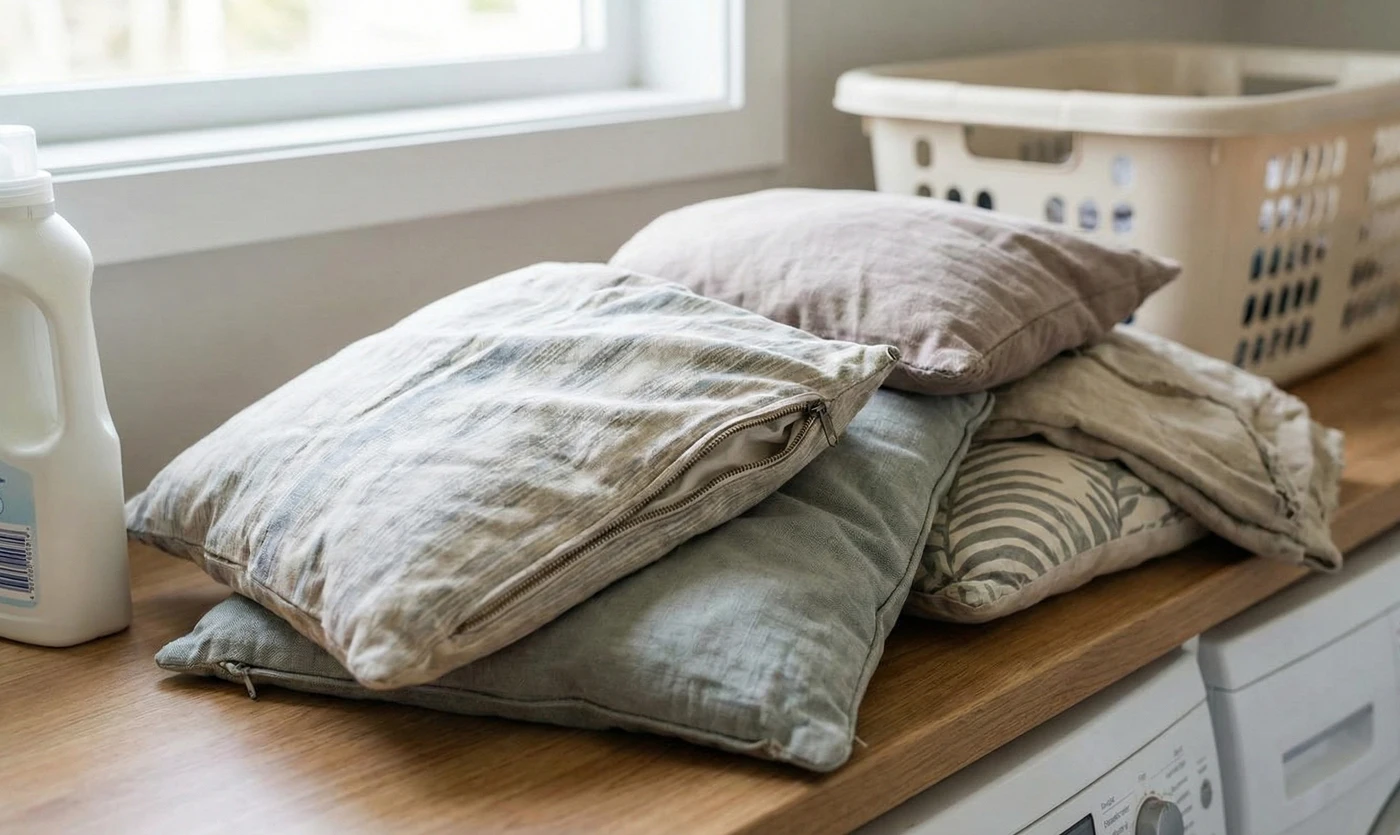
Understanding What You’re Actually Washing
Not all polyester is created equal. The term covers everything from cheap thin fabric to high-quality performance materials. Before throwing covers in the wash, check any labels or tags – they exist for reasons beyond annoyance.
Most polyester cushion covers fall into a few categories:
- 100% polyester: Straightforward to clean, generally quite durable
- Polyester blends: Mixed with cotton, rayon, or other fibers – follow care for the most delicate component
- Performance polyester: Treated fabrics with stain-resistance or water-repellent finishes that require gentler handling
- Textured polyester: Velvet-like finishes or special weaves that need extra care to maintain appearance
The washing approach varies slightly based on type, but the fundamentals remain consistent across all polyester varieties.
Pre-Wash Essentials
Remove Everything Removable
This seems obvious but gets overlooked: check all pockets, remove any loose items, ensure zippers are fully closed. Open zippers during washing can snag fabric and cause damage both to the covers and potentially to your washing machine.
Vacuum First
Before washing, vacuum both sides of the covers to remove loose dirt, crumbs, pet hair, and debris. This prevents your washing machine from becoming a swamp of floating particulates and helps the actual washing be more effective.
For chair cushion covers or bench cushion covers that see heavy daily use, this step can remove surprising amounts of accumulated debris.
Spot Treat Stains
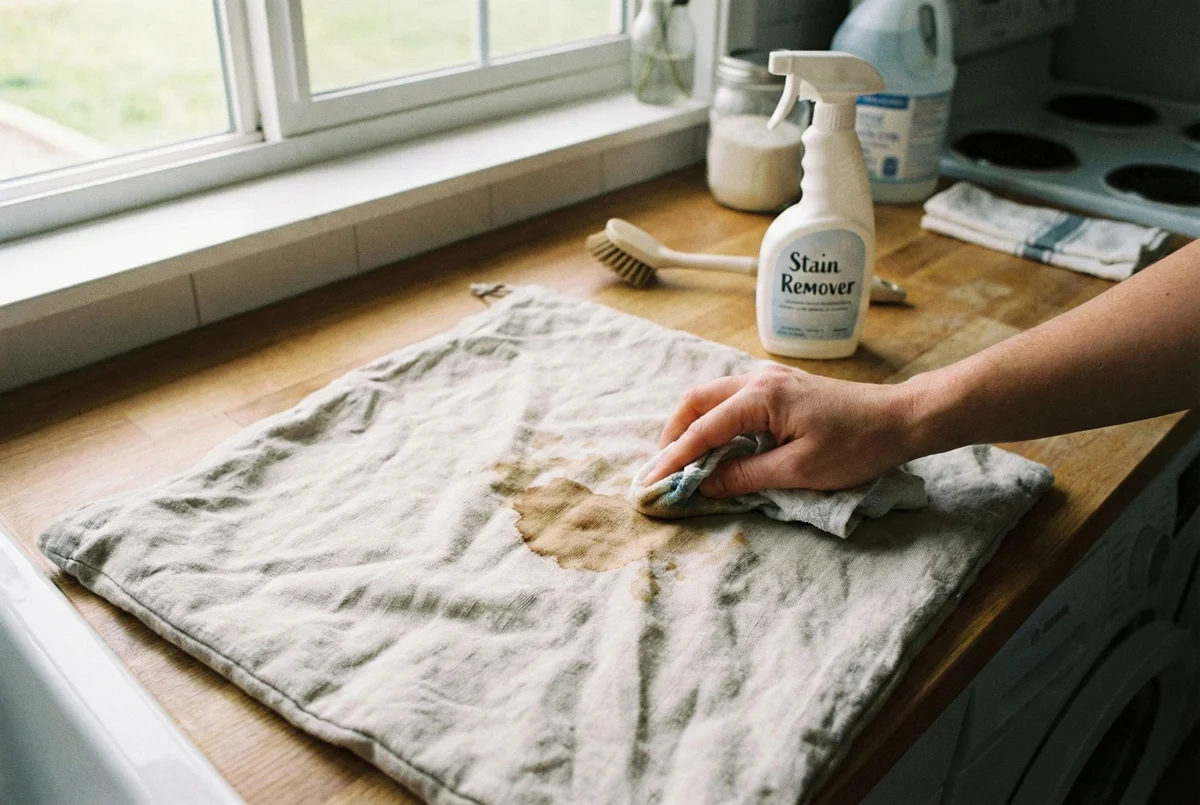
Address visible stains before washing. For polyester, a simple mixture of dish soap and water usually works well. Apply to the stain, let sit for 10-15 minutes, then gently blot (don’t rub vigorously). According to cleaning science from the American Cleaning Institute, pre-treating increases stain removal success rates by approximately 60%.
Common mistake: Using harsh stain removers containing bleach or strong solvents on polyester. These can damage fabric fibers or break down any protective treatments. Stick with mild detergents unless dealing with truly stubborn stains that justify stronger measures.
The Actual Washing Process
Machine Settings That Matter
Water temperature: Cold or warm water works best. Hot water isn’t necessary for polyester and can set certain stains rather than remove them. It also uses more energy without providing cleaning benefits.
Cycle selection: Normal or gentle cycle depending on fabric texture. Smooth polyester handles normal cycles fine. Velvet-like or specially textured polyester benefits from gentle cycles to preserve the finish.
Spin speed: Regular spin speed is acceptable. Polyester doesn’t hold water like natural fibers, so aggressive spinning isn’t necessary, but standard settings won’t damage the fabric.
Detergent Choices
Use standard liquid detergent in normal amounts. Polyester doesn’t require special formulations. What matters more is avoiding overuse – too much detergent leaves residue that attracts dirt faster and can make fabric feel stiff or sticky.
Skip fabric softener. Polyester doesn’t need it for softness, and softener can actually coat the fibers, reducing breathability and potentially degrading any stain-resistant treatments on performance fabrics.
Pro tip: If your cushion covers have lost their color vibrancy over time, washing alone won’t restore it. Fading is cumulative UV damage, not dirt. However, clean fabric always looks better than dirty fabric, so regular washing prevents the dullness that comes from accumulated grime making colors look worse than they are.
Load Size Considerations
Don’t overcrowd the washing machine. Cushion covers need room to move freely for effective cleaning. As a general rule, if you’re cramming them in, you’re using too small a load capacity for the number of covers.
Washing multiple covers together is fine – even encouraged for water and energy efficiency – just ensure they have adequate space to agitate properly.
Drying: Where Most Problems Happen
Here’s where people most frequently damage their cushion covers. Polyester is heat-sensitive, and high dryer heat can cause shrinkage, melting (in extreme cases), or damage to any special finishes.
The Best Approach: Air Dry
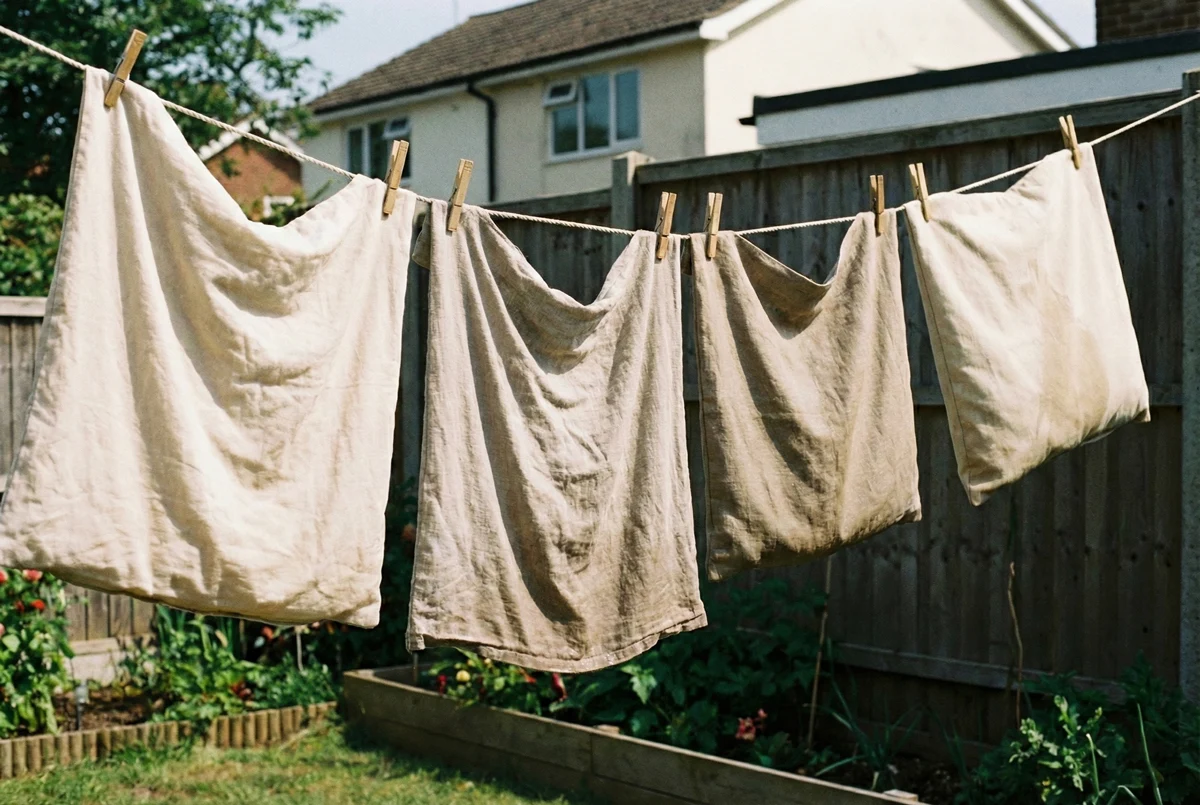
Air drying is safest and often most practical. Hang covers over a drying rack, shower rod, or outdoor line. Polyester dries relatively quickly compared to natural fibers – usually within a few hours in decent airflow.
Turn covers inside-out while drying to minimize UV exposure to the outer surface if drying outdoors. This prevents potential sun-fading of colors.
If You Must Use the Dryer
Use low heat or air-dry settings only. Remove covers while still slightly damp rather than running them through a full hot cycle. The residual dampness will air-dry quickly once back on cushions, and this approach minimizes heat exposure.
Never use high heat. The time saved isn’t worth the risk of shrinkage or damage. Research from textile science studies at the Industrial Fabrics Association shows that polyester fabrics exposed to dryer heat above 140°F show measurable dimensional changes – meaning shrinkage occurs at temperatures many home dryers routinely reach on high settings.
Reinstalling and Maintenance
Getting Covers Back On
Reinstall covers while they’re still slightly damp if possible. The minimal moisture makes fabric more pliable and easier to stretch over cushion forms. As it finishes drying in place, it conforms perfectly to the cushion shape.
If covers have dried completely and feel stiff, a quick pass with a warm (not hot) iron can restore some flexibility and make installation easier. Iron on the inside/wrong side of the fabric to avoid any shine marks on the outer surface.
How Often to Wash
For regular household use, washing cushion covers every 3-4 months is typically sufficient. High-traffic pieces or homes with pets might benefit from more frequent washing – every 6-8 weeks.
Vacuum covers monthly between washings to remove surface debris and maintain freshness. This extends time between necessary washes and reduces wear from frequent washing cycles.
Items like dining chair cushions that encounter food spills may need more frequent spot-cleaning even if full washing isn’t necessary.
Troubleshooting Common Issues
Covers shrunk in the wash: This happened because of heat exposure. Unfortunately, shrinkage is usually permanent. Prevention is the only real solution – always use cool/warm water and low/no heat drying.
Static cling problems: Polyester is prone to static. Add a quarter cup of white vinegar to the rinse cycle to reduce static without using fabric softener. Alternatively, lightly mist covers with water from a spray bottle when reinstalling.
Colors look faded: If this happened after one wash, you used water that was too hot. If it’s gradual over time, that’s normal UV and wear fading. Consider covers in darker colors or patterns that hide fading better for high-light-exposure areas.
Fabric feels stiff or sticky: Detergent residue is the likely culprit. Rewash with no detergent, just water, to rinse away buildup. Use less detergent in future washes.
Quality Covers Make Maintenance Easier
Better-quality cushion covers withstand washing better and maintain appearance longer. Professional construction means seams don’t split, zippers don’t fail, and fabric doesn’t pill or thin prematurely from regular cleaning cycles.
At Rofielty, our cushion designs use durable fabrics and quality construction that handle regular washing without degrading. Whether you need custom cushions or standard options, investing in quality means easier maintenance and longer-lasting results.
Explore our collections to find cushions that look great and clean easily.
The Bottom Line
Washing polyester cushion covers successfully comes down to a few key principles: use cool or warm water, avoid high heat in drying, don’t overcomplicate with special products, and air dry when possible. Follow these basics and your covers will clean well and last considerably longer than if you treat them carelessly.
The process doesn’t require expertise or special equipment – just understanding what polyester needs and what damages it. Apply that understanding consistently, and washing cushion covers becomes routine maintenance rather than a source of anxiety about potential damage.
Your furniture deserves to look and feel clean. Now you know how to make that happen without risk to your cushion covers. No excuses left – those covers aren’t going to wash themselves.