
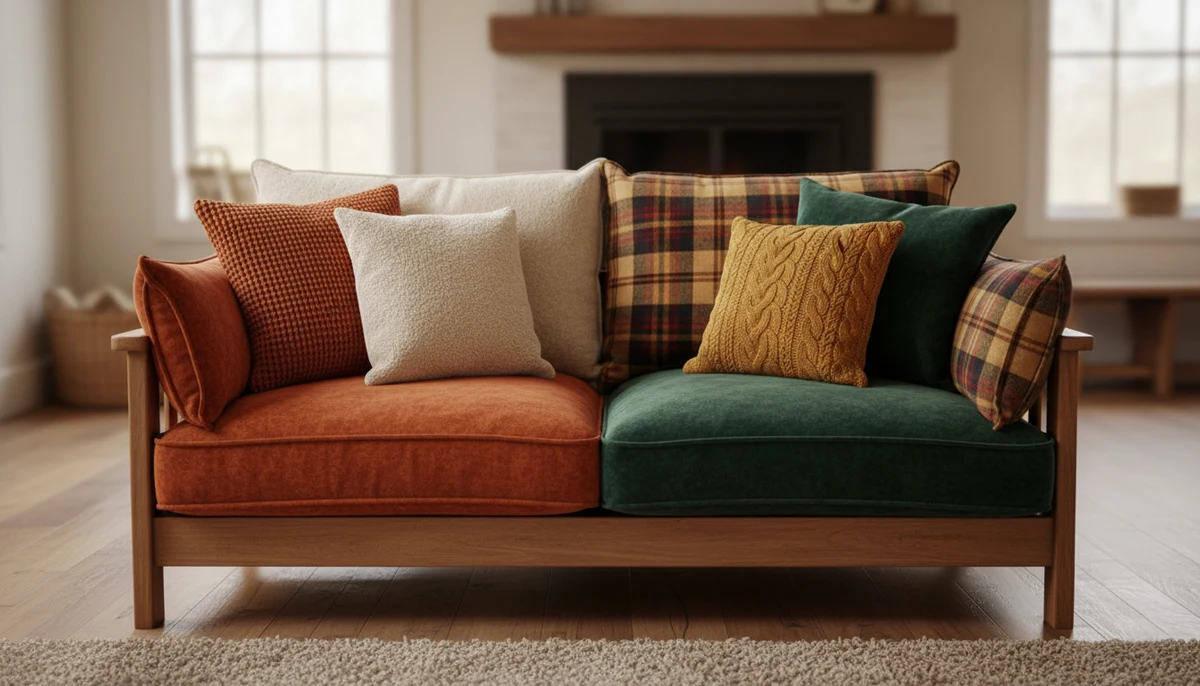
Winter brings shorter days, colder temperatures, and a natural desire to create warm, inviting spaces indoors. While many people focus on blankets and throws when preparing their homes for winter, cushion fabrics play an equally important role in establishing seasonal comfort and ambiance.
The right winter cushion fabrics do more than just look appropriate for the season – they provide tactile warmth, visual coziness, and practical durability to withstand increased indoor use during months when everyone spends more time on the furniture. Choosing fabrics that balance these elements ensures spaces remain comfortable and attractive throughout the coldest months.
Understanding Winter Fabric Requirements
Winter fabrics need to meet specific criteria that differ from those suitable for summer or year-round use. Temperature regulation, texture, maintenance requirements, and aesthetic considerations all factor into selecting appropriate materials.
Thermal Properties Matter
Certain fabrics naturally retain warmth better than others due to their fiber structure and weave density. Tightly woven materials with natural fibers tend to provide better insulation, creating a warmer feel when touched compared to synthetic materials or loose weaves.
This thermal property doesn't mean the cushions actually heat a room, but rather that they don't feel cold when someone sits down. During winter, this initial contact warmth significantly impacts perceived comfort. According to research from the Textile World industry journal, fabric temperature perception influences user comfort satisfaction by up to 40% in cooler environments.
Key Consideration: Fabrics with higher fiber density and natural composition generally feel warmer to the touch than synthetic alternatives with similar visual appearance. This tactile difference becomes particularly noticeable in rooms that stay cool or have limited heating.
Texture and Visual Warmth
Beyond physical warmth, winter fabrics should convey visual warmth through texture and appearance. Napped surfaces, visible texture variations, and materials with depth create psychological warmth that makes spaces feel cozier even before physical contact occurs.
Smooth, flat fabrics that work beautifully in summer can feel cold and uninviting during winter months. The eye interprets textured, dimensional fabrics as warmer and more welcoming when daylight is limited and outdoor conditions are harsh.

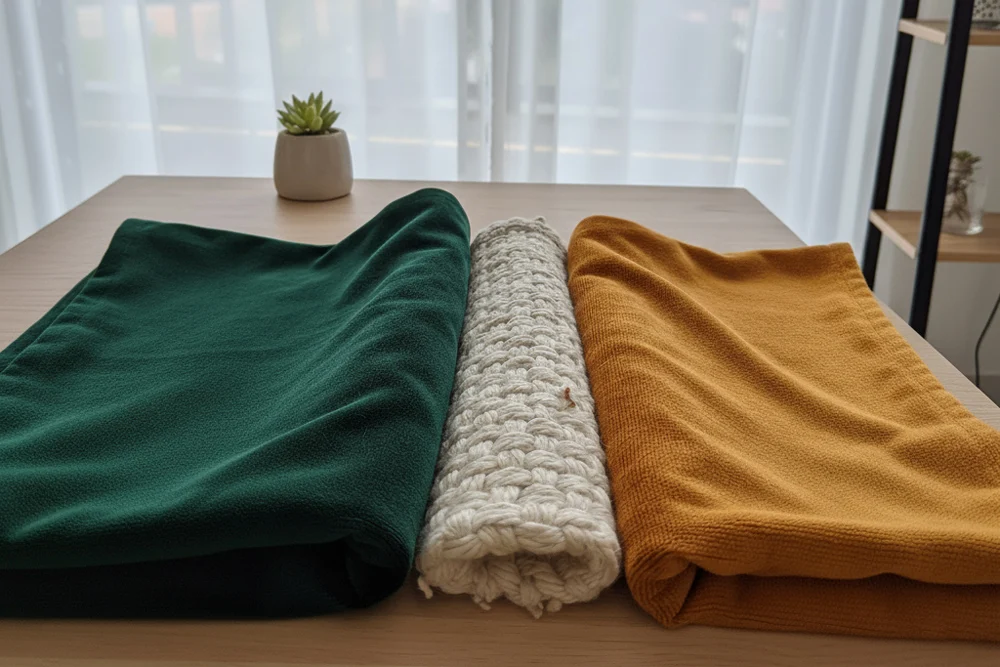
Top Winter Cushion Fabric Options
Several fabric types excel in winter applications, each offering distinct advantages depending on specific needs and preferences.
Velvet: The Winter Classic
Velvet stands out as perhaps the quintessential winter cushion fabric. Its dense pile creates a soft, plush surface that feels luxurious while providing excellent warmth retention. The fabric's light-reflective qualities add visual depth that enhances cozy atmospheres.
Advantages:
-
Exceptional softness and tactile warmth
-
Rich appearance that elevates any space
-
Naturally insulating due to dense construction
-
Available in deep, saturated colors perfect for winter
-
Creates visual interest through light interaction
Considerations:
-
Shows wear patterns more readily than some alternatives
-
Can attract pet hair and lint
-
May require professional cleaning for best results
-
Higher price point than many other options
Performance velvets now offer improved durability compared to traditional varieties while maintaining the characteristic soft feel. These modern iterations resist crushing and recover better from compression, making them practical for frequently used cushions.
Wool and Wool Blends
Wool represents nature's premier insulating fiber, developed over millennia to keep animals warm in cold climates. Wool cushion fabrics bring these same properties indoors, offering natural temperature regulation and exceptional durability.
Benefits of wool fabrics:
-
Superior natural insulation
-
Moisture-wicking properties prevent clamminess
-
Naturally flame-resistant
-
Highly durable and long-lasting
-
Resists odors and stains better than many synthetics
Wool blends combine wool's benefits with other fibers to improve specific characteristics. Wool-cotton blends offer easier care, while wool-synthetic combinations increase stain resistance. For chair cushions that see heavy use, blended wool fabrics provide an excellent balance of comfort and practicality.
Fabric Comparison: Pure wool cushion covers typically cost 30-50% more than wool blends but offer superior warmth and longevity. For most residential applications, a 60/40 wool-synthetic blend provides excellent performance at a more accessible price point.
Chenille: Soft and Substantial
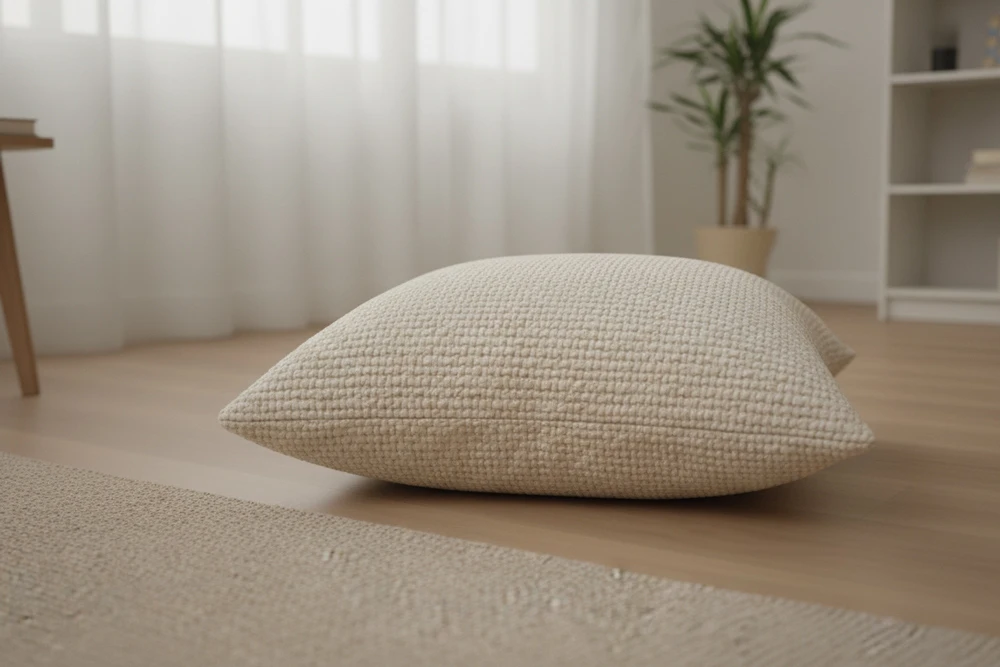
Chenille fabrics feature a distinctive fuzzy pile that creates exceptional softness while maintaining durability. The fabric's construction gives it a casual, inviting appearance particularly suited to relaxed winter environments.
This material works especially well for family rooms and casual living spaces where comfort takes priority over formality. Chenille's forgiving nature hides minor wear better than flatter fabrics, and its texture adds visual interest without overwhelming other design elements.
Chenille characteristics:
-
Very soft hand feel that invites touch
-
Moderate warmth retention
-
Good durability for everyday use
-
Generally more affordable than velvet
-
Available in wide color range
Corduroy: Textured Tradition
Corduroy might seem dated to some, but modern interpretations of this ribbed fabric bring vintage charm with contemporary sensibility. The vertical wales create visual texture while the cotton or cotton-blend composition provides comfortable warmth.
Wide-wale corduroy offers a bold, statement-making texture, while fine-wale versions provide subtler interest. The fabric's casual character suits dens, reading nooks, and informal seating areas particularly well.
Corduroy cushions work beautifully in spaces with rustic, traditional, or eclectic design schemes. The fabric pairs especially well with natural wood furniture and earth-toned color palettes common in winter decorating.
Faux Fur and Sherpa
For maximum cozy factor, faux fur and sherpa fabrics deliver unmatched visual and tactile warmth. These materials make bold statements while providing the softest possible surface for cushions.
These fabrics work best as accent pieces rather than primary upholstery. A few faux fur throw pillows mixed with more traditional cushions creates winter atmosphere without overwhelming spaces. The high-pile nature of these materials means they require more storage space during off-season months.
Design Perspective: Interior designers often recommend limiting faux fur and sherpa to 20-30% of total cushion coverage in a room. This proportion creates visual interest and seasonal warmth without making spaces feel costume-like or too informal for entertaining.
Color Considerations for Winter Fabrics
Color selection impacts how warm and inviting cushions appear during winter months. While personal preference ultimately guides choices, certain color families naturally enhance winter comfort.
Warm Color Families
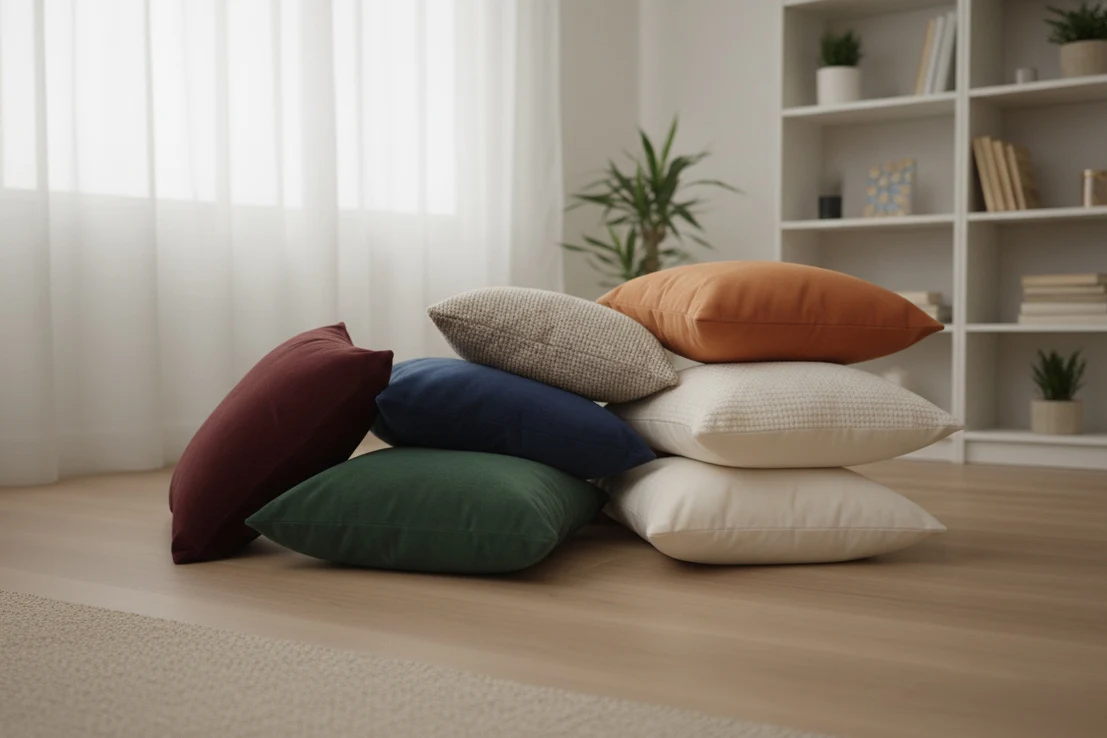
Deep, saturated colors create psychological warmth that counteracts winter's grey skies and bare landscapes. Rich jewel tones – burgundy, sapphire, emerald, amethyst – add depth while maintaining sophistication.
Earth tones from warm browns to rust oranges evoke natural warmth and ground spaces emotionally. These colors work across various design styles and coordinate easily with existing furniture.

Neutrals with Depth
Not everyone wants bold colors, and winter-appropriate neutrals offer sophisticated alternatives. Charcoal grey, warm taupe, camel, and chocolate brown provide visual warmth without saturated color.
These neutral foundations allow for seasonal variation through accent pillows. Swap bright summer accents for deeper winter tones while maintaining the same base cushions, providing versatility across seasons.
Pattern Selection
Winter lends itself to certain pattern types that enhance seasonal atmosphere. Plaids and tartans evoke traditional winter warmth, while subtle geometric patterns add visual interest without overwhelming spaces.
Larger-scale patterns work better on bigger cushions, while smaller prints suit accent pillows. Mixing solid fabrics with one or two patterned pieces creates balanced, professional-looking arrangements.
| Color Category | Best For | Mood Created |
|---|---|---|
| Jewel Tones | Formal spaces, statement pieces | Luxurious, rich, dramatic |
| Earth Tones | Casual areas, natural styles | Grounded, warm, comfortable |
| Deep Neutrals | Versatile, year-round use | Sophisticated, calming, stable |
| Forest Greens | Traditional or rustic spaces | Natural, serene, classic |
Practical Durability Factors
Winter often means increased time spent indoors, which translates to more wear on furniture and cushions. Selecting fabrics that withstand this intensified use prevents premature deterioration and maintains appearance throughout the season.
Understanding Abrasion Resistance
Fabric abrasion resistance measures how well material withstands friction and rubbing. This metric, typically expressed in double rubs (Wyzenbeek test) or cycles (Martindale test), indicates durability for upholstery applications.
For residential cushions that receive regular use, fabrics should rate at minimum 15,000 double rubs. Heavy-use areas benefit from fabrics rated 25,000+ double rubs. Commercial-grade fabrics often exceed 50,000 double rubs but may sacrifice some softness.
Durability Benchmark: A rating of 15,000 double rubs typically translates to approximately 3-5 years of regular residential use before noticeable wear appears. Higher ratings extend this timeline proportionally, though actual longevity depends on usage patterns and maintenance.
Stain Resistance
Winter entertainment – holiday gatherings, movie marathons, comfort food consumption – increases spill risks. Fabrics with inherent stain resistance or protective treatments simplify maintenance and preserve appearance.
Performance fabrics engineered for stain resistance maintain their protective qualities through cleaning, unlike topical treatments that diminish over time. This makes them worthwhile investments for cushions in high-traffic areas or homes with children and pets.
Pill Resistance
Pilling occurs when fibers work loose from fabric and tangle into small balls on the surface. This common issue particularly affects softer fabrics and those containing certain synthetic fibers.
Tightly woven fabrics with longer fibers resist pilling better than loosely constructed materials with short fibers. Natural fibers like wool naturally resist pilling more effectively than some synthetics, though modern anti-pill treatments improve synthetic performance significantly.

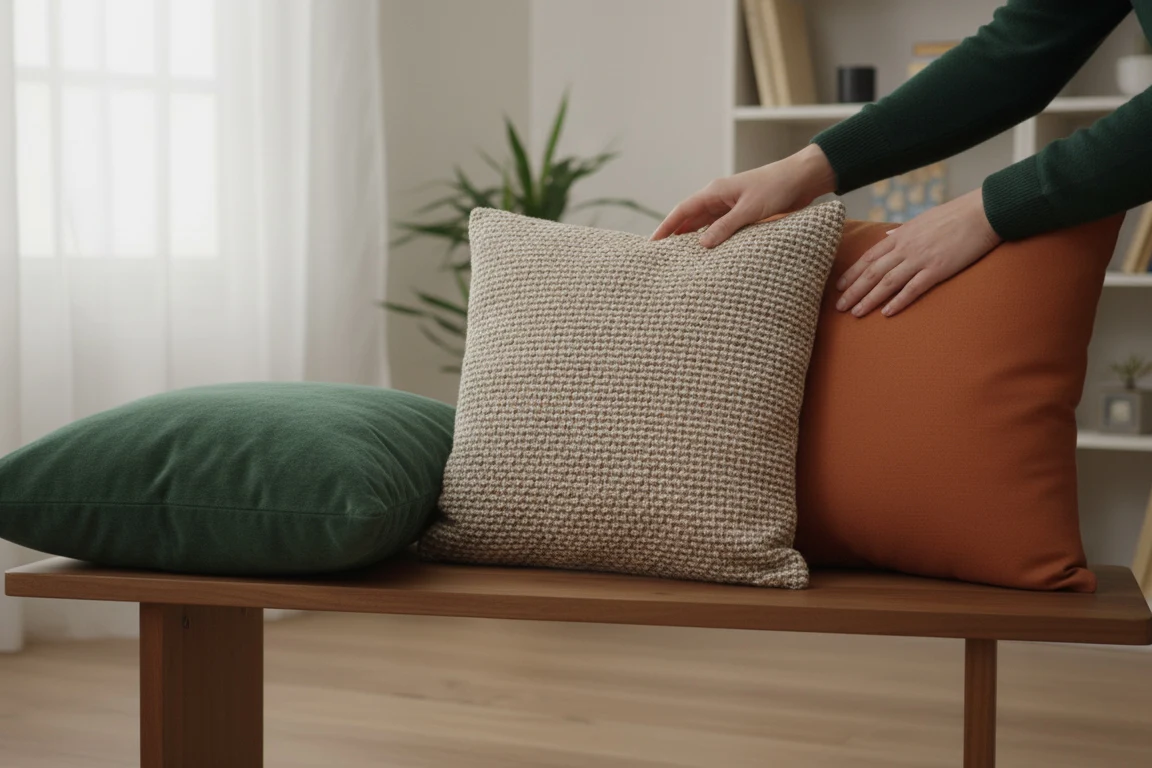
Maintenance Requirements
Different winter fabrics demand varying levels of care. Understanding maintenance requirements before purchasing prevents frustration and helps ensure cushions maintain their appearance throughout the season.
Cleaning Methods
Machine washable covers: Cotton, cotton blends, and some synthetics withstand machine washing, offering the easiest maintenance option. Removable covers with hidden zippers provide this convenience while maintaining attractive appearance.
Spot cleaning only: Velvet, wool, and specialty fabrics typically require spot cleaning rather than full washing. This demands more careful use but preserves fabric integrity better over time.
Professional cleaning: Some luxury fabrics perform best with professional cleaning. While this adds maintenance cost, it protects significant fabric investments and maintains optimal appearance.
For versatile options that balance beauty with practicality, bench cushions with removable, washable covers provide winter warmth without excessive maintenance burden.
Regular Maintenance
Regardless of fabric type, regular maintenance extends cushion life and maintains fresh appearance:
-
Vacuum weekly using upholstery attachment to remove dust and debris
-
Rotate cushions monthly to ensure even wear distribution
-
Address spills immediately by blotting (never rubbing) with clean cloth
-
Keep cushions away from direct heat sources that can damage fibers
-
Fluff and reshape cushions after use to maintain proper form
Budget Considerations
Winter cushion fabrics span wide price ranges depending on fiber content, construction quality, and brand positioning. Understanding what drives costs helps make informed decisions that balance budget with performance needs.
Cost Factors
Fiber type: Natural fibers like wool and silk cost more than synthetics, though blends offer middle-ground pricing. Cotton falls in the moderate range, while specialty synthetics vary widely.
Construction complexity: Simple weaves cost less than complex patterns or pile fabrics requiring specialized manufacturing. Velvet and chenille typically command premium pricing due to production complexity.
Performance features: Stain-resistant treatments, anti-pill finishes, and UV protection add cost but provide value through extended fabric life and easier maintenance.
Brand and sourcing: Designer fabrics carry brand premiums, while direct-from-manufacturer options often provide similar quality at lower prices.
Value Strategy
Rather than upgrading all cushions to premium winter fabrics, consider a tiered approach: invest in high-quality winter fabrics for most-used seating (main sofa, favorite chairs), while using more economical options for occasional-use areas. This strategy maximizes comfort where it matters most while controlling overall costs.
Long-term Value
Initial fabric cost represents only part of total ownership expense. Durability, maintenance requirements, and lifespan significantly impact long-term value.
A $200 cushion set in durable performance fabric lasting 7-8 years costs less per year than a $80 set requiring replacement every 2-3 years. Factor in cleaning costs, replacement shopping time, and disposal when calculating true value.
Seasonal Transition Planning
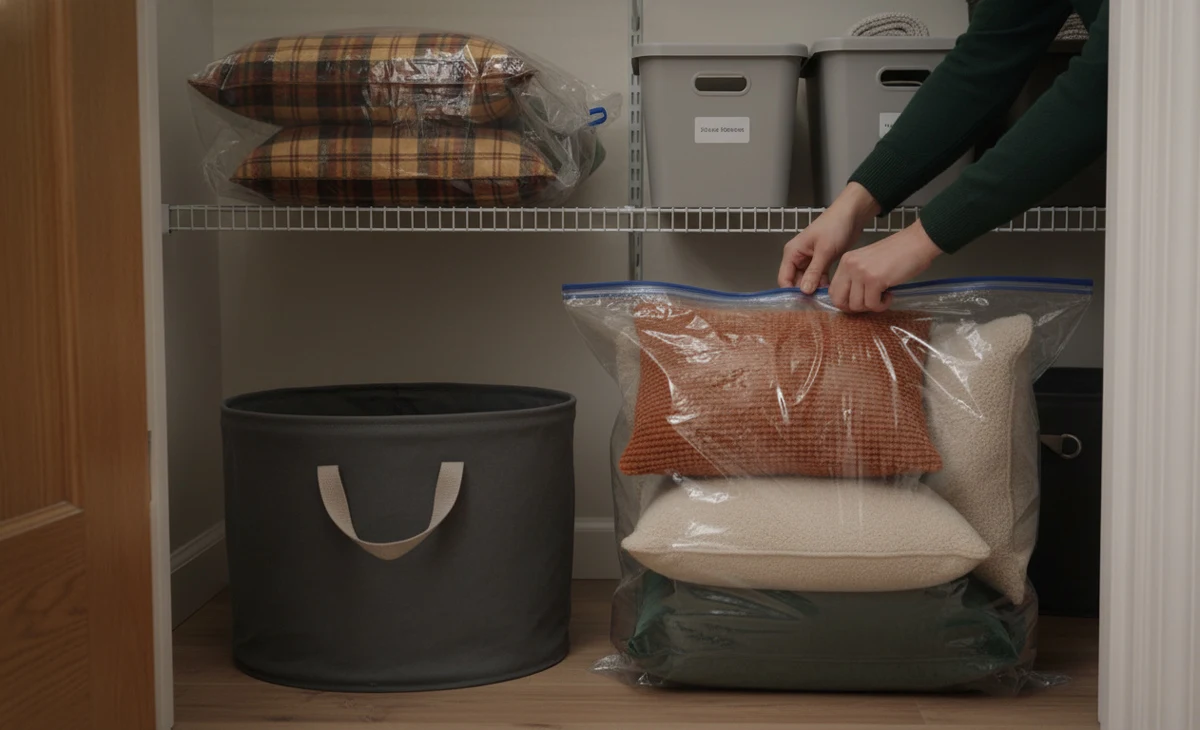
Some households prefer changing cushions seasonally, while others seek year-round solutions. Both approaches have merit depending on storage space, budget, and personal preferences.
Full Seasonal Rotation
Maintaining separate winter and summer cushion sets allows optimizing fabric choices for each season's specific requirements. Winter cushions can embrace warmth-focused fabrics without compromising summer comfort.
This approach requires adequate storage space for off-season cushions and higher initial investment for multiple sets. However, it extends the life of each set by reducing annual use and allows perfect seasonal customization.
Year-Round Compromise
Selecting moderate-weight fabrics in neutral colors provides year-round functionality with minimal adjustment. Change only accent pillows seasonally – swap lightweight cotton pillows for velvet or wool versions in winter while keeping base cushions constant.
This strategy reduces costs and storage needs while still acknowledging seasonal shifts. The key lies in choosing adaptable base fabrics that work acceptably in all seasons even if not perfectly optimized for any single season.

Transitional Timing
For those implementing seasonal rotations, timing the switch optimizes comfort. Generally, transitioning to winter fabrics in late October or early November aligns with heating system activation and shorter daylight hours.
Regional climate variations affect optimal timing. Colder regions may warrant earlier transitions, while milder climates can delay until true winter weather arrives. Pay attention to when indoor environments shift from neutral to requiring heating for guidance on appropriate transition timing.
Coordinating with Existing Decor
New winter cushion fabrics should complement existing room elements rather than clash or create visual confusion. Considering current furnishings, wall colors, and flooring helps ensure cohesive results.
Working with Neutral Bases
Rooms with neutral walls and furniture accommodate virtually any cushion fabric and color. This flexibility allows bold winter fabrics without risking visual overwhelm or coordination challenges.
Even with neutral foundations, maintain some restraint – select 2-3 coordinating colors rather than introducing every winter shade simultaneously. This creates intentional design rather than chaotic collections.
Complementing Bold Elements
Rooms featuring colorful walls, patterned rugs, or statement furniture require more careful cushion selection. Choose cushion fabrics that pull colors from existing elements rather than introducing entirely new palettes.
In these situations, solid fabrics in coordinating shades often work better than busy patterns. Let existing bold elements remain focal points while cushions provide textured support rather than competing for attention.
For spaces with varied seating types requiring multiple cushion solutions, browsing complete collections like custom chair cushions helps ensure coordinated looks across different furniture pieces.
Testing Before Committing
Fabric samples provide invaluable information before purchasing full cushion sets. Most reputable fabric suppliers and custom cushion makers offer samples for minimal cost or free.
What to Evaluate
When testing fabric samples, assess multiple factors:
-
Tactile feel: Does the fabric feel warm and inviting when touched?
-
Color accuracy: How does the color appear in your actual lighting conditions?
-
Texture appeal: Does the visual texture create the desired atmosphere?
-
Durability indicators: Does the fabric feel substantial and well-constructed?
-
Coordination: How well does it work with existing furnishings?
Live with samples for at least a few days, observing them in various lighting conditions and times of day. Natural morning light reveals different characteristics than evening lamplight, and both matter for fabrics you'll use throughout winter.

Testing Stain Resistance
For families concerned about spills and stains, testing fabric performance provides peace of mind. Place a drop of water on the sample – does it bead up or immediately soak in? This simple test indicates stain-resistance effectiveness.
For fabrics claiming stain-resistant properties, follow manufacturer guidelines but verify performance meets expectations before committing to expensive custom cushions.
Create Your Cozy Winter Haven
Selecting the perfect winter cushion fabrics transforms living spaces into warm, inviting retreats from cold weather. The right combination of texture, warmth, durability, and style creates environments where families naturally gather and guests feel genuinely welcomed.
At Rofielty, we understand that winter comfort requires more than just visual appeal – it demands fabrics that perform beautifully while withstanding real-world use. Our extensive fabric library includes premium winter-appropriate materials carefully selected for both aesthetics and functionality.
Whether seeking luxurious velvet for formal spaces, durable wool blends for family rooms, or versatile options that transition between seasons, our team provides expert guidance tailored to specific needs. Custom sizing ensures perfect fit regardless of furniture dimensions, while professional construction guarantees cushions maintain their beauty and comfort throughout many winters.
Explore our fabric collection to discover winter-perfect materials, or browse throw pillows for easy ways to add seasonal warmth. Transform your home into the cozy winter sanctuary it deserves.
Final Considerations
Choosing winter cushion fabrics involves balancing multiple factors – warmth, durability, maintenance, cost, and aesthetics. No single fabric excels in every category, making it essential to prioritize factors most important for specific situations.
For households with pets and children, prioritizing durability and stain resistance over luxury feel makes practical sense. Formal living rooms receiving light use can embrace more delicate fabrics that provide maximum visual impact. Frequently used family spaces benefit from mid-range fabrics balancing comfort with resilience.
According to textile industry research from Textile Today, consumers who carefully match fabric properties to usage patterns report 60% higher satisfaction with their purchases compared to those selecting based primarily on aesthetics.
Winter cushion fabrics significantly impact how spaces feel during the coldest months. By understanding fabric properties, evaluating personal needs honestly, and selecting materials that align with both practical requirements and design visions, anyone can create genuinely comfortable winter environments that make staying indoors a pleasure rather than a necessity.
Take time to research options, order samples, and make informed decisions. The right winter cushion fabrics reward that investment with years of comfort, beauty, and satisfaction that make cold months considerably more enjoyable.