
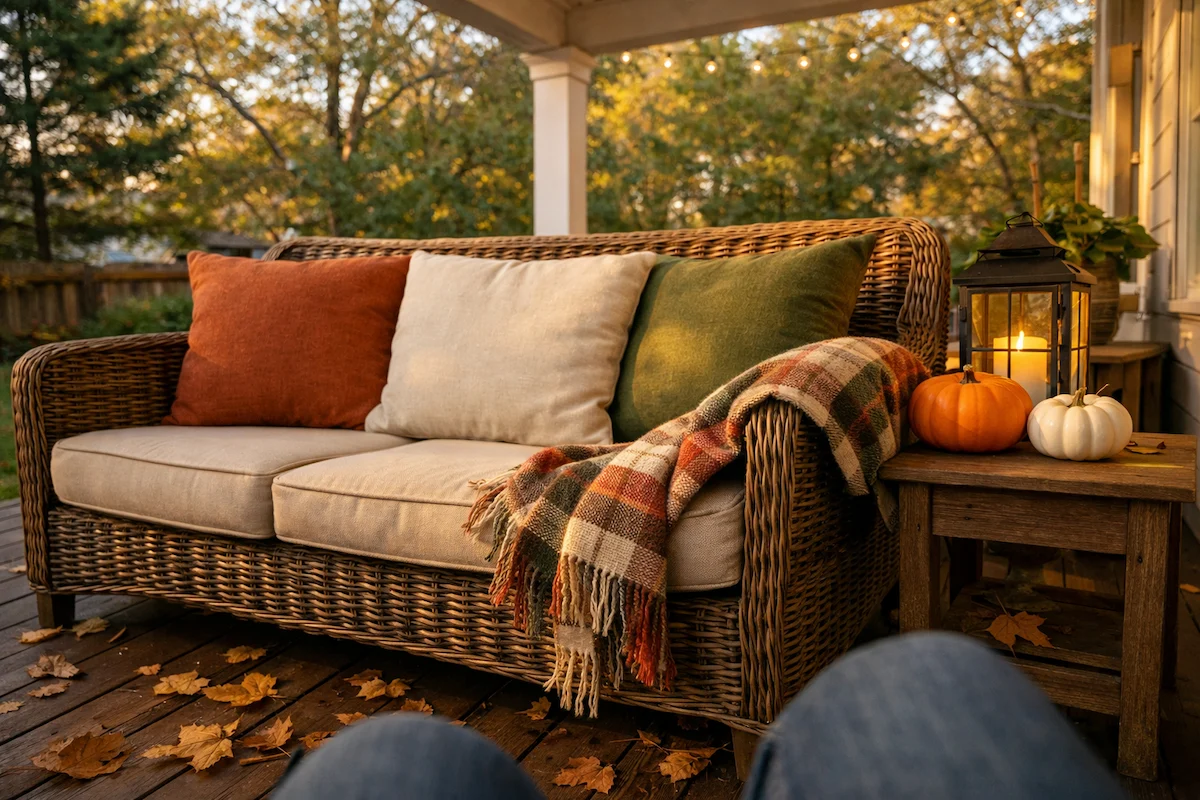
Article Summary: Discover how to transform your outdoor spaces this fall with wicker bench cushions. This comprehensive guide covers fabric selection, weatherproofing strategies, styling techniques, and maintenance tips to create cozy, inviting autumn seating areas that withstand the elements while reflecting your personal style.
As autumn paints our surroundings in rich golds, burnt oranges, and deep crimsons, our outdoor spaces beckon us to linger a little longer before winter arrives. The crisp air, the gentle rustle of falling leaves, and those golden afternoon sunbeams create the perfect backdrop for outdoor relaxation. However, enjoying these precious autumn moments requires more than just beautiful scenery—it demands comfortable, weather-appropriate seating that can handle the season’s unpredictable conditions.
Wicker furniture has long been a staple of outdoor living spaces, prized for its natural aesthetic and durability. Yet, even the most beautiful wicker bench feels incomplete without proper cushioning. The right cushions don’t just add comfort—they transform functional furniture into inviting retreats where you’ll actually want to spend time. This guide explores everything you need to know about selecting, styling, and maintaining wicker bench cushions for the fall season and beyond.
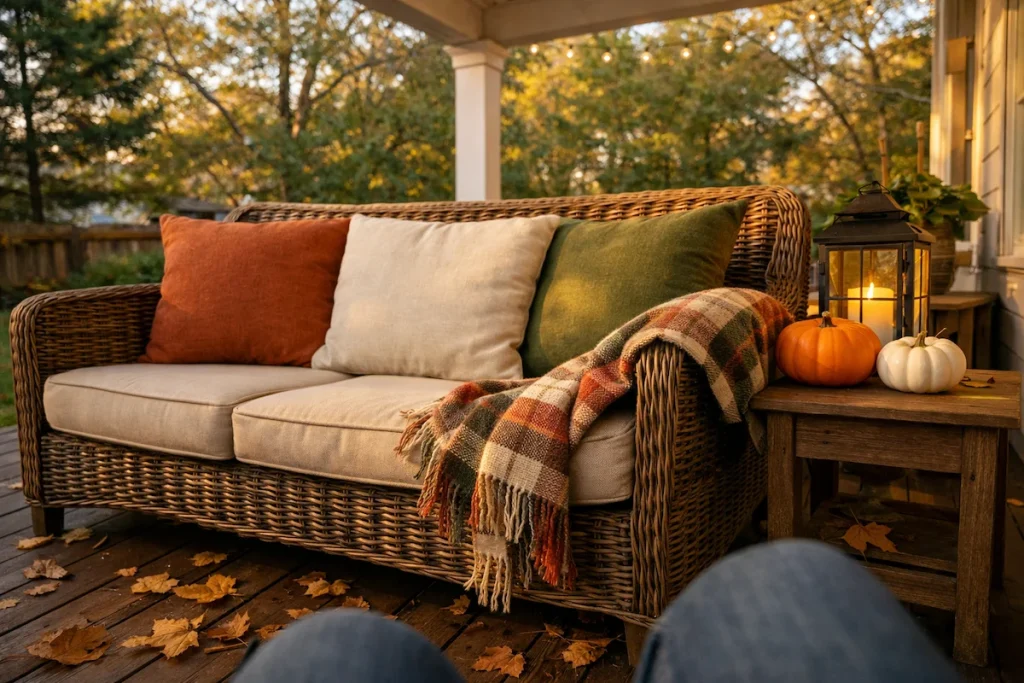
Understanding Your Cushion Needs: Beyond Basic Comfort
Before diving into patterns and colors, it’s essential to understand what makes a cushion truly suitable for outdoor wicker furniture, particularly during the transitional fall season.
Weather-Resistant Fabric Essentials
Fall weather is notoriously unpredictable—sunny mornings can give way to afternoon drizzles, and temperature swings are common. Your cushion fabrics need to handle these challenges without deteriorating or developing mildew. Look for materials specifically designed for outdoor use:
- Solution-dyed acrylic: Color is saturated throughout the fiber rather than applied to the surface, providing superior fade resistance and UV protection. This makes it ideal for patios with direct sun exposure.
- Polyester blends: Often more budget-friendly while still offering good water resistance and quick-drying properties. Perfect for covered porches or areas with limited sun exposure.
- Olefin (polypropylene): Inherently stain-resistant and moisture-repellent, though it may fade faster in intense sunlight compared to solution-dyed acrylics.
- Textilene: A woven synthetic material that allows air circulation while remaining water-resistant—excellent for areas with high humidity.
Pro Tip: The Water Bead Test
When shopping for outdoor cushion fabric, perform a simple water test if possible. A few drops of water should bead up on the surface rather than soaking in. If water immediately absorbs, the fabric lacks sufficient water-repellent treatment and may not perform well in fall weather conditions.
Cushion Fill and Density Considerations
The filling material dramatically affects both comfort and longevity. For wicker bench cushions, you’ll typically encounter these options:
| Fill Type | Best For | Considerations |
|---|---|---|
| High-density foam | Daily use, firm support | Resists compression, needs waterproof core |
| Quick-dry foam | Uncovered areas, rainy climates | Open-cell structure drains water, slightly softer |
| Polyester fiberfill | Budget-conscious, occasional use | May compress over time, requires fluffing |
| Memory foam | Premium comfort, covered spaces | Needs protective wrap, temperature sensitive |
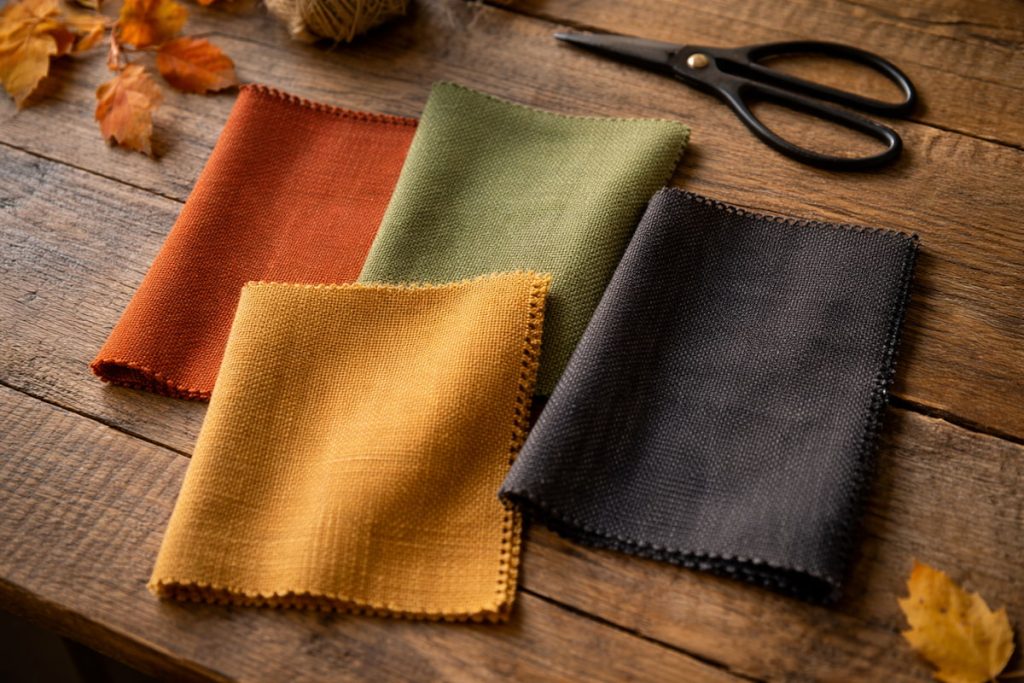
Sizing and Fit: Getting the Measurements Right
Ill-fitting cushions slide around, bunch up, and generally undermine the entire aesthetic you’re trying to achieve. Taking accurate measurements is crucial, yet often overlooked.
Measuring Your Wicker Bench
- Length and width: Measure the actual seating surface, not the outer frame. Wicker benches often have decorative elements that extend beyond the usable seating area.
- Depth: Consider where you want the cushion to sit. Some prefer cushions that extend to the front edge, while others leave an inch or two of wicker visible.
- Thickness: For standard seating, 3-5 inches provides adequate comfort. Benches without back support may benefit from thicker cushions (5-7 inches) for better posture support.
- Contours: Note any curves, angles, or raised armrests that might affect cushion placement. Sketch these if necessary.
Custom vs. Standard Sizing
While custom cushions offer perfect fit, many wicker benches fall into standard dimensions (48″, 54″, 60″ lengths). Check manufacturer specifications before committing to custom work—you might save considerably by choosing standard sizes that fit well enough. Reserve custom sizing for uniquely shaped or antique pieces where fit is critical.
Fall Color Palettes and Pattern Selection
Color choices extend beyond simple aesthetic preference—they set the mood for your entire outdoor space and can even influence how often you use the area.
Autumn-Inspired Color Schemes
Warm Earth Tones: Rust, terracotta, burnt sienna, and clay colors echo the natural fall landscape. These shades create an immediate visual connection with the season and pair beautifully with natural wicker tones. Consider mixing two or three complementary earth tones across multiple cushions for depth.
Jewel Tones: Deep emerald, sapphire, or burgundy provide richness without being overtly seasonal. These colors transition seamlessly into winter months and stand out beautifully against autumn foliage backdrops.
Neutral Foundations: Cream, taupe, charcoal, or soft gray serve as versatile bases that you can accent with colorful throw pillows. This approach offers maximum flexibility—swap out accent pillows seasonally while keeping base cushions year-round.
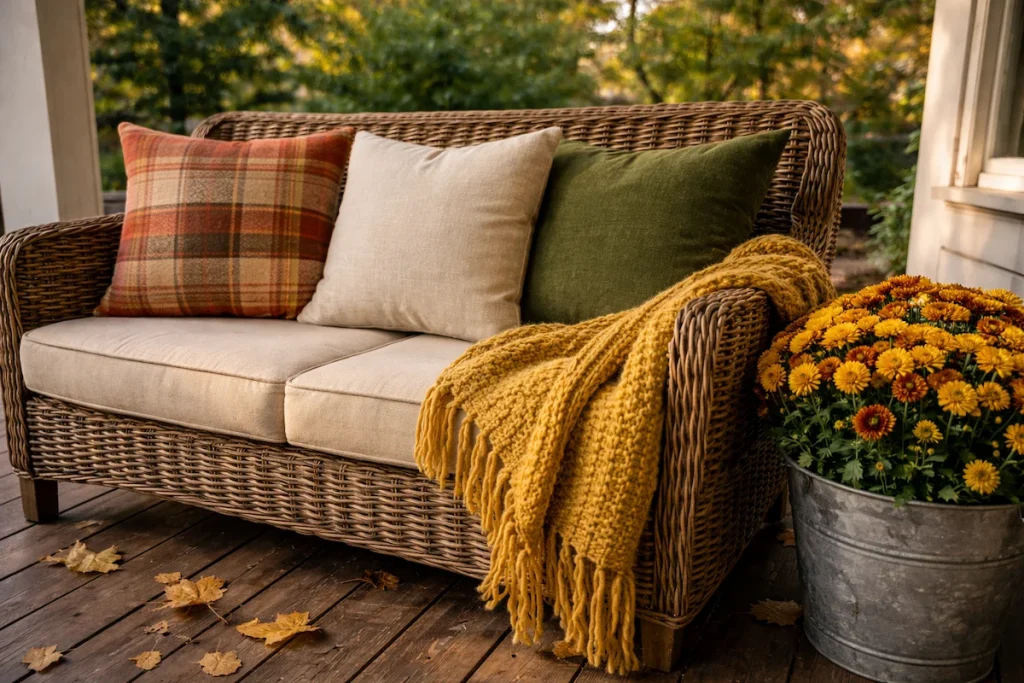
Pattern Mixing for Visual Interest
Pattern mixing intimidates many homeowners, but it’s easier than you think when following a few basic principles:
- Choose patterns that share at least one common color
- Vary pattern scale—pair large florals with small geometrics, or bold stripes with subtle textures
- Include at least one solid color to give the eye a resting place
- Odd numbers work best—three different patterns create better visual balance than two or four
- Test combinations in natural light before committing, as outdoor lighting differs significantly from indoor
Styling Beyond the Cushion: Creating Cozy Fall Seating Areas
Cushions are just the foundation. Truly inviting outdoor spaces layer multiple comfort elements to create depth and warmth.
Layering Textiles for Comfort and Style
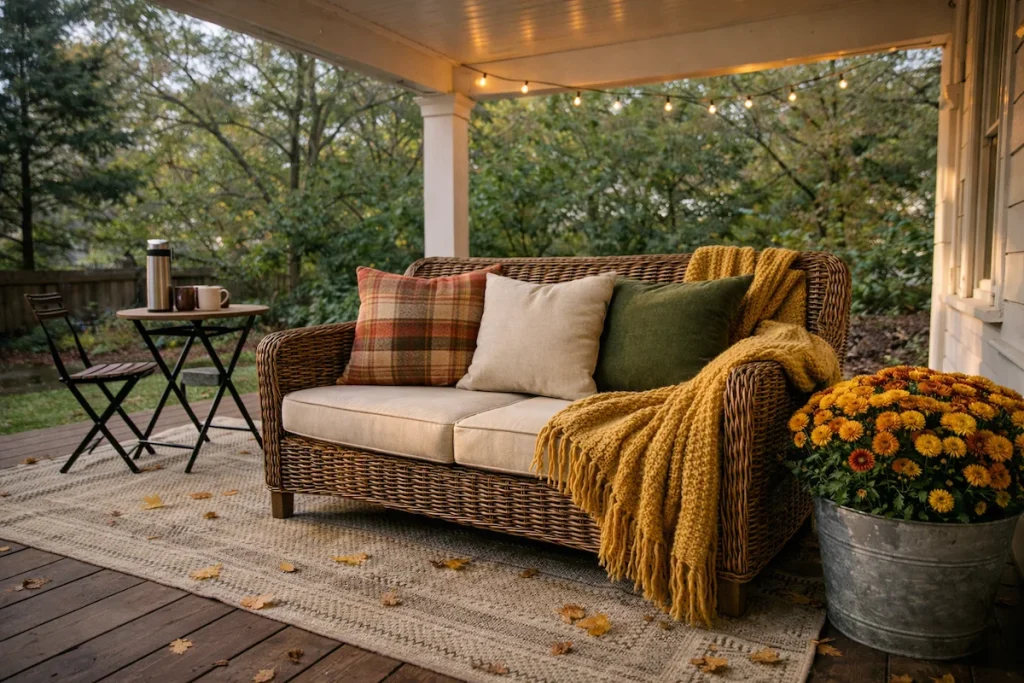
Throw blankets: Essential for fall evenings when temperatures drop. Choose outdoor-appropriate materials like acrylic or treated wool that can handle occasional moisture. Drape them casually over bench arms or fold them at one end—overly precise styling feels staged rather than welcoming.
Accent pillows: Add 2-4 decorative pillows in various sizes (18″ and 22″ work well together). Mix textures—combine smooth outdoor fabrics with cable-knit or faux fur pillow covers that you can bring indoors during rain.
Outdoor rugs: Place an outdoor rug beneath or in front of your wicker bench to define the seating area and add warmth underfoot. This small addition significantly increases perceived coziness.
Complementary Decor Elements
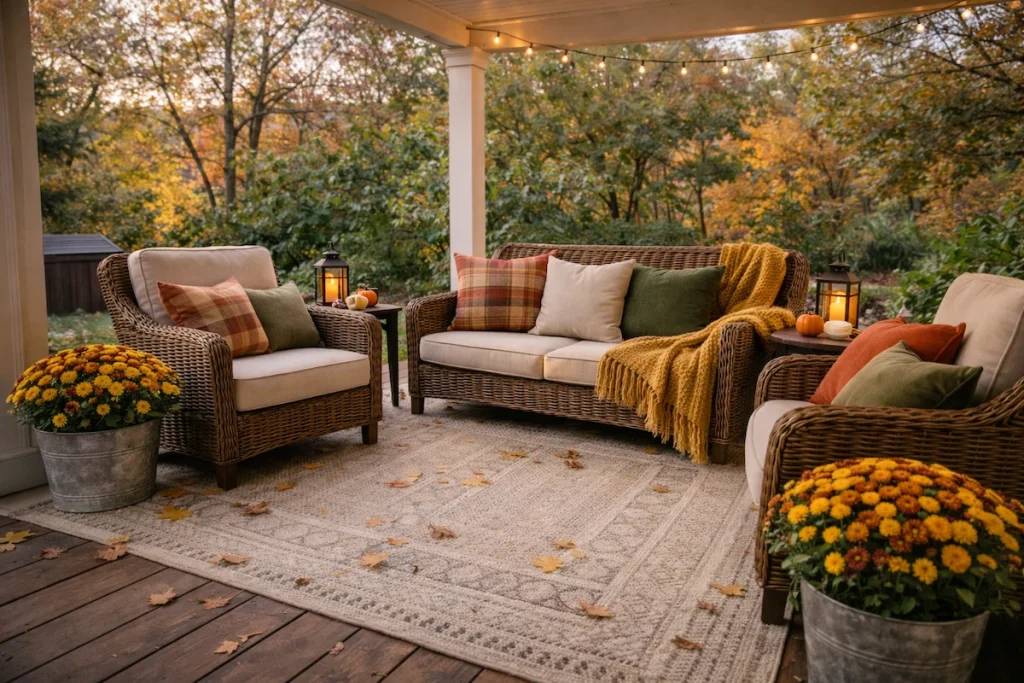
Furniture doesn’t exist in isolation. Consider these additions to create a complete outdoor room:
- Side tables: A small accent table within arm’s reach holds drinks, books, or decorative elements like lanterns and candles
- Planters: Flank your bench with fall planters containing mums, ornamental cabbage, or ornamental grasses in autumn hues
- Lighting: Battery-operated lanterns, string lights, or solar path lights extend usability into evening hours
- Seasonal accents: Pumpkins, gourds, corn stalks, or wheat bundles add festive touches without overwhelming the space
Maintenance and Care: Protecting Your Investment
Even the highest-quality outdoor cushions require proper care to maintain their appearance and extend their lifespan through multiple seasons.
Weekly Maintenance Routine
Brushing and shaking: Remove loose debris, leaves, and dirt with a soft brush or by shaking cushions vigorously. This prevents organic matter from decomposing on fabric surfaces, which can cause staining and odors.
Spot cleaning: Address spills immediately using mild soap and water. Blot rather than rub to avoid spreading stains or damaging water-repellent finishes. For bird droppings or tree sap, use a plastic scraper to remove excess before cleaning.
Repositioning: Flip and rotate cushions weekly to ensure even wear and sun exposure. This simple habit significantly extends cushion life.
Deep Cleaning Guidelines
Perform thorough cleaning 2-3 times per season, or as needed:
- Remove cushion covers if possible (check care labels)
- Vacuum thoroughly to remove embedded dirt and debris
- Mix gentle detergent with lukewarm water (avoid harsh chemicals that degrade water-repellent coatings)
- Scrub with soft-bristle brush in circular motions
- Rinse completely—soap residue attracts dirt
- Air dry completely before returning to furniture (standing cushions on edge speeds drying)
Mildew Prevention Strategy
Fall’s combination of moisture and moderate temperatures creates ideal conditions for mildew growth. Never store damp cushions, even briefly. If cushions get soaked, stand them on edge in a well-ventilated area or direct sunlight to dry completely. Adding a cup of white vinegar to cleaning water helps prevent mildew formation without damaging fabrics.
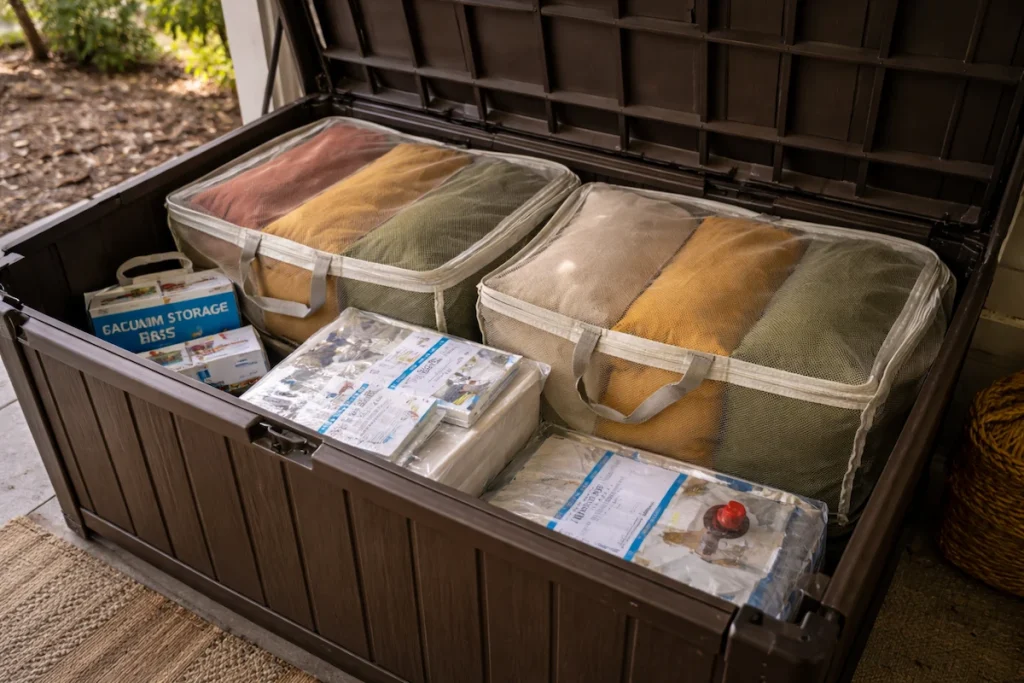
Off-Season Storage
Proper storage protects your investment during harsh winter months:
- Clean thoroughly before storing—dirt and stains worsen over time
- Ensure complete dryness to prevent mildew during storage
- Use breathable storage bags rather than plastic, which traps moisture
- Store in dry, temperature-controlled spaces when possible
- Avoid compressing cushions heavily, which can permanently deform foam cores
- Add silica gel packets or cedar blocks to storage containers for moisture and pest control
Swing Cushions and Multi-Functional Seating
Porch swings and hanging benches present unique cushioning challenges due to movement and airflow considerations.
Securing Cushions on Moving Furniture
Swing cushions require attachment mechanisms to prevent shifting during use. Consider these options:
- Ties and straps: Fabric ties at corners loop around swing chains or frame elements. Choose ties at least 12 inches long for easy knotting.
- Non-slip backing: Rubberized or textured backing grips swing surfaces without additional fasteners—ideal for swings without convenient attachment points.
- Velcro strips: Attach one side to cushion bottom, the other to swing seat. This method works well but may damage some wicker finishes.
- Elastic straps: Wraparound straps with clips accommodate various swing depths and allow easy removal for cleaning.
Choosing Appropriate Thickness
Swing cushions require careful thickness consideration. Too thin, and you’ll feel the hard seat beneath. Too thick, and the cushion may interfere with comfortable sitting positions or make entering and exiting the swing awkward. For most porch swings, 4-5 inches provides optimal comfort without creating mobility issues.
Budget-Conscious Approaches
Quality outdoor cushions represent an investment, but several strategies can help you achieve beautiful results without overspending.
DIY Customization Options
If you’re handy with a sewing machine, creating custom cushion covers can save significantly:
- Purchase outdoor fabric remnants or end-of-season clearance materials
- Buy pre-cut foam inserts in standard sizes (often cheaper than custom cutting)
- Use existing indoor cushions as templates for outdoor versions
- Create removable covers with zipper closures for easy washing
Strategic Purchasing Timing
Retailers discount outdoor furniture and accessories heavily at season’s end. Consider these timing strategies:
- End of summer sales (late August – early September): Best prices but limited selection
- Fall clearance (October – November): Good deals on seasonal colors and patterns
- Post-holiday sales (January): Retailers clear inventory to make room for spring merchandise
Purchase neutral base cushions on sale, then add inexpensive seasonal accent pillows to refresh the look annually.
Sustainability Considerations
Environmentally conscious consumers can make cushion choices that reduce environmental impact:
- Recycled fabrics: Many manufacturers now offer outdoor fabrics made from recycled plastic bottles
- Natural fillings: Kapok, buckwheat hulls, or organic cotton provide eco-friendly alternatives to synthetic foams
- Longevity over trends: Choose classic colors and patterns that won’t feel dated quickly
- Repair rather than replace: Re-stuff or re-cover worn cushions instead of discarding them
- Warranty protection: Products with solid warranties typically indicate better construction and longer useful life
Creating Your Perfect Fall Outdoor Space
As temperatures cool and daylight hours shorten, having a comfortable, well-appointed outdoor space becomes even more precious. Those quiet morning coffees wrapped in blankets, afternoon reading sessions in dappled sunlight, and evening gatherings around fire pits create lasting memories of autumn.
The right wicker bench cushions serve as the foundation for these experiences—providing comfort, reflecting your personal style, and withstanding the season’s challenges. Whether you choose ready-made options in standard sizes, invest in custom pieces tailored to your exact specifications, or embark on a DIY project, the key lies in understanding your needs, choosing appropriate materials, and maintaining your investment properly.
This fall, transform your wicker furniture from functional pieces into inviting retreats. Layer textures, embrace seasonal colors, and create spaces that draw you outdoors even as nature prepares for winter. With proper planning and care, your cushioned seating areas will provide comfort and beauty not just through autumn, but for many seasons to come.
“The best outdoor spaces aren’t just decorated—they’re thoughtfully composed to invite lingering, conversation, and the simple pleasure of being present in nature’s seasonal changes.”
Further Reading: For additional insights on outdoor living trends and weather-resistant furniture care, visit the Better Homes & Gardens outdoor living section, or explore professional guidance from the American Society of Landscape Architects on creating functional outdoor spaces.