
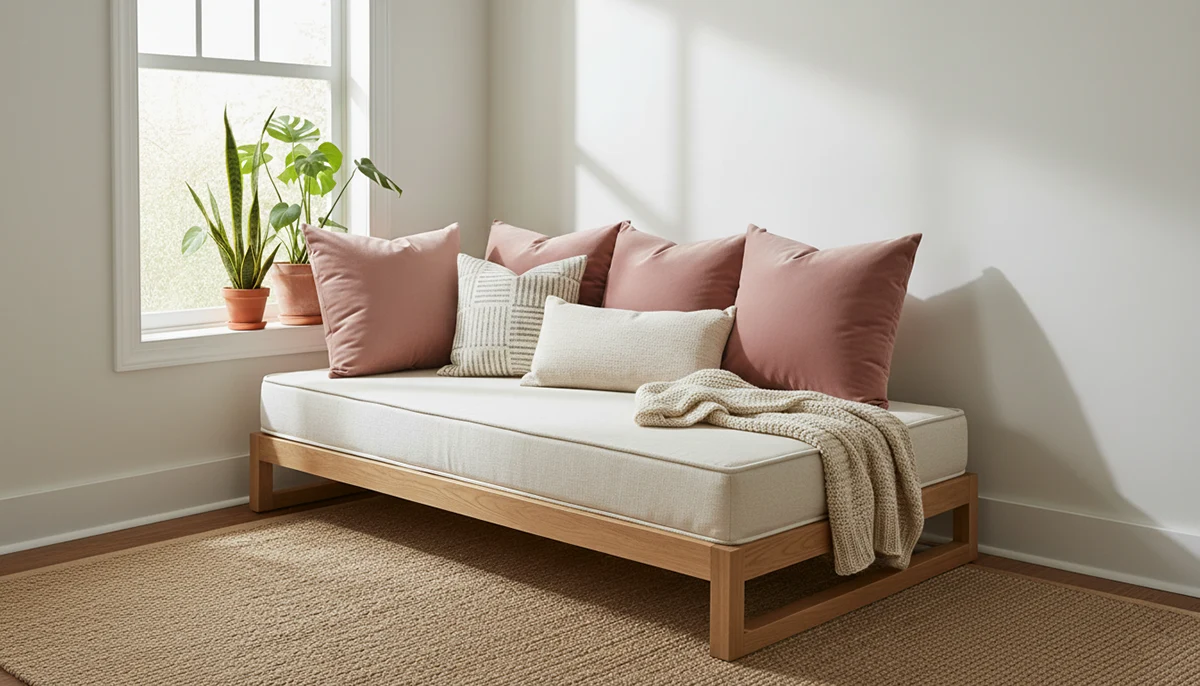
I've noticed something interesting over the past few years – daybeds have quietly become one of the most versatile pieces of furniture in modern homes. They're not quite sofas, not quite beds, but somehow manage to be perfect for both lounging during the day and accommodating overnight guests. The catch? Most daybeds come with cushions that are either uncomfortable, poorly fitted, or just plain ugly.
That's where custom daybed cushions come into play. After spending way too much time researching this topic (and yes, making a few expensive mistakes along the way), I've learned that the right cushions can completely transform how you use and enjoy your daybed. Whether you're setting up a home office that doubles as a guest room, creating a reading nook, or just trying to make your existing daybed actually comfortable, custom cushions might be exactly what you need.
Understanding Daybed Cushion Requirements
Before we dive into customization options, lets talk about what makes daybed cushions different from regular sofa cushions or bed mattresses. This matters more than you might think because using the wrong type of cushion creates problems down the road.
Daybeds serve dual purposes – they need to function as comfortable seating during the day while also providing adequate support for sleeping at night. Standard sofa cushions are typically too soft for sleeping, while regular mattresses can feel too firm for casual sitting. Finding that sweet spot requires thoughtful consideration of foam density, thickness, and construction.
The Dual-Purpose Challenge
Here's what I learned the hard way – most people either optimize for sitting comfort or sleeping comfort, but rarely both. My first attempt involved ordering what I thought were perfect daybed cushions online. They looked great in photos and felt reasonably comfortable when I first sat on them. But after one night of actually sleeping on them, I woke up with a backache that lasted three days.
The problem was simple: I'd chosen cushions designed primarily for seating, with soft foam that compressed too much under body weight during extended lying down. According to research from the Sleep Foundation, proper spinal support during sleep requires more firmness than most people realize – even for occasional sleeping surfaces.
Practical Advice: When selecting cushions for a daybed that serves both purposes, aim for medium-firm foam (1.8-2.0 pounds per cubic foot density) rather than going soft. You can always add softer throw pillows for extra comfort while sitting, but you can't add firmness to an overly soft cushion.
Sizing Considerations for Perfect Fit
Getting measurements right is crucial, and it's more complex than simply measuring the daybed frame. I've seen too many people order cushions based on advertised "standard" daybed sizes, only to discover their particular frame doesn't match those standards.
Key Measurements You'll Need
Seat depth: Measure from the back of the frame to the front edge. Standard daybeds typically range from 30 to 39 inches, but don't assume yours fits this range. My daybed measures 35 inches, which is apparently an uncommon dimension that made finding ready-made cushions nearly impossible.
Seat width: Most daybeds are twin-sized (39 inches wide) or full-sized (54 inches wide), but again, verify rather than assume. Some European models use different dimensions.
Back cushion area: If you're adding back support cushions, measure the height you want them to reach. I find 18-20 inches works well for comfortable sitting without looking oversized.
Thickness: This is where personal preference matters. For the main cushion, 4-6 inches typically works best. Thinner feels too firm and looks skimpy, while thicker can make sitting feel awkward because your feet don't touch the floor comfortably.

When working with specialized seating like chaise lounge cushions, similar measurement precision is essential for achieving the right comfort level.
Foam Selection: The Foundation of Comfort
Let's talk about what's inside your cushions, because this determines everything about how they perform. I used to think foam was just foam, but there's actually significant variation that impacts durability, comfort, and price.
Types of Foam
High-density polyurethane foam: This is your workhorse material for daybed cushions. With proper density (1.8 pounds per cubic foot or higher), it maintains support while providing reasonable comfort. It's what I ultimately chose for my daybed after trying other options.

Memory foam: Offers excellent pressure relief and conforms to your body, which sounds perfect in theory. In practice, I found it too temperature-sensitive – it gets firm when cold and overly soft when warm. Also, memory foam tends to "trap" you in position, making it harder to shift positions during sleep.
Latex foam: More responsive than memory foam and naturally antimicrobial. It's pricier but lasts longer. Good choice if you have allergies or if the daybed is in a humid environment.
Combination foam layers: This is actually what professional furniture makers typically use – a firm base layer with a softer comfort layer on top. It provides the best of both worlds, though it costs more than single-layer foam.
From my experience, spending extra on quality foam is one of those purchases you won't regret. Cheap foam compresses within months, creating permanent indentations that make your daybed uncomfortable for sitting and sleeping. I learned this after replacing cheap cushions twice in two years.
Foam Density Explained
Density refers to how much foam material is packed into each cubic foot. Higher density means more material, which translates to better support and longer lifespan. For daybeds used regularly, I recommend:
-
Minimum 1.8 lbs/cubic foot for occasional use
-
2.0-2.5 lbs/cubic foot for regular daily use
-
2.5+ lbs/cubic foot for heavy daily use or larger individuals
Don't confuse density with firmness – they're related but not identical. A high-density foam can still have a soft feel if it's formulated that way. What density primarily affects is how long the foam maintains its shape and support characteristics.

Fabric Choices That Make Sense
The fabric covering your daybed cushions needs to balance several factors: durability (since daybeds get a lot of contact), comfort for both sitting and lying down, aesthetics, and ease of cleaning. It's a tall order.
Best Fabric Options
Cotton canvas: My personal favorite for daybeds. It's durable, breathable, comfortable against skin, and takes dye well for rich colors. The weave is tight enough to resist wear but not so thick that it feels stiff. Pre-washed canvas softens nicely over time without losing structural integrity.
Linen blends: These have that relaxed, lived-in look that works well in casual spaces. Pure linen wrinkles excessively, but blends (usually linen/cotton) maintain the aesthetic while being more practical. Good choice if your daybed is in a sunroom or casual den.
Performance fabrics: These have come a long way from the plasticky outdoor-furniture feel of years past. Modern performance fabrics like Crypton or similar brands resist stains and moisture while feeling soft. Essential if pets or kids will use the daybed regularly.
Velvet: Luxurious and comfortable, but shows wear patterns and attracts pet hair like a magnet. Better suited for daybeds in formal spaces or guest rooms that see lighter use.
When browsing through various fabric options, consider testing samples in your actual space. Fabric colors and textures can look dramatically different depending on lighting conditions. I order samples and live with them for a week before making final decisions.
Color and Pattern Considerations
Since daybeds often serve as focal points in rooms, fabric choice impacts your overall design scheme significantly. Solid colors offer versatility and timeless appeal – they're easy to accessorize with throw pillows and blankets as your style evolves.
Patterns can add visual interest but require more careful coordination. Geometric patterns tend to age better than trendy prints. If you're unsure, start with solids for the main cushion and introduce patterns through accent pillows.
Darker colors hide wear and stains better but can make small rooms feel smaller. Lighter colors open up spaces but require more frequent cleaning. I went with a medium gray for my daybed – dark enough to be practical but light enough to keep the room feeling airy.

Back Support Cushions: Getting Comfortable
One aspect often overlooked is back support. Most daybed frames have hard backs (if they have backs at all), making prolonged sitting uncomfortable. Adding properly designed back cushions transforms usability.
Back Cushion Configurations
Three separate cushions: This is what I use – three individual back cushions that can be arranged or removed as needed. The flexibility is great because you can move them around depending on how you're using the daybed.
Single long cushion: Creates a more sofa-like appearance and ensures no gaps between sections. Less flexible but looks more polished.
Bolster pillows: These cylindrical cushions can work well for daybeds, especially in more formal settings. They provide good lumbar support but aren't ideal for leaning back fully.
Combination approach: Use a few larger cushions for structure plus smaller throw pillows for adjustable comfort. This is actually the most versatile setup.
For back cushions, I recommend slightly softer foam than the seat cushion – maybe 1.5 pounds per cubic foot density. They're supporting your back, not your full body weight, so they can be plusher without compromising support.
Quick Checklist: Sizing Back Cushions
-
Height: 16-20 inches works for most adults
-
Width: 18-24 inches per cushion if using multiple
-
Thickness: 4-5 inches provides good support without being bulky
-
Consider adding ties or velcro to keep them in position
Customization Options Worth Considering
Going custom opens up possibilities beyond just getting the right size. Several additional features can significantly improve functionality and appearance.
Removable Covers
This is one customization I absolutely recommend. Zippered covers that can be removed for washing extend the life of your cushions dramatically. Yes, zippers add some cost, but being able to wash covers when needed is invaluable.
Hidden zippers look cleaner than exposed ones. They're slightly more expensive but worth it aesthetically. Make sure the zipper runs along the back or bottom edge where it won't be visible during normal use.

Piping and Edge Details
Piping (also called welting) along cushion edges serves both aesthetic and functional purposes. It defines the cushion shape, adds visual interest, and actually helps the cushion maintain its form over time.
You can match piping to the cushion fabric for a cohesive look, or use contrasting piping for definition. I went with matching piping on my seat cushion but contrasting piping on the back cushions to add subtle visual interest.
Tufting
Tufted cushions have that classic, tailored appearance. Beyond aesthetics, tufting keeps the foam and batting layers in position, preventing shifting inside the cover. The trade-off is that tufted cushions are harder to re-cover if you want to change fabrics later.
For specialized applications like tufted seat cushions, the design becomes a focal point that elevates the entire furniture piece.
Ties and Attachment Methods
Nothing's more annoying than cushions that constantly slide around. Ties that attach to the daybed frame solve this problem. For back cushions especially, ties prevent them from falling behind the daybed when you lean against them.
Options include fabric ties (which can be decorative), velcro strips (functional but less attractive), or non-slip backing material. I use fabric ties that match the cushion color – functional and virtually invisible.
Styling Your Daybed for Different Uses
One advantage of daybeds is their versatility, but this requires thoughtful styling to maximize functionality for different purposes.
Daytime Seating Configuration
For daytime use as seating, arrange back cushions against the frame and add throw pillows in complementary colors. I keep three back cushions plus four smaller throw pillows on my daybed during the day. It looks intentional rather than cluttered, and provides comfortable support for sitting in various positions.
A throw blanket draped over one end adds coziness without looking too bed-like. I use a chunky knit throw in winter and a lighter linen one in summer.
Guest Bed Configuration
When converting to sleeping mode, I remove decorative throw pillows and one of the back cushions. This leaves two back cushions that can serve as sleeping pillows (though I also provide regular bed pillows for guests). The main seat cushion becomes the mattress.
I keep an extra fitted sheet that goes over the seat cushion, transforming it from daytime furniture to nighttime bed. This sheet is twin-sized but stretches to fit my custom cushion dimensions.
Home Office Integration
Many people use daybeds in home offices for breaks or video call backgrounds. In this configuration, keep styling simple – maybe one or two accent pillows plus a throw blanket. Too many cushions look cluttered on camera.
According to a Forbes Business Council study, well-designed office spaces with comfortable break areas improve productivity and job satisfaction significantly.

Maintenance and Care Tips
Proper maintenance extends the life of your custom daybed cushions significantly. Here's what actually works based on my experience.
Regular Maintenance
Rotate and flip regularly: Every few weeks, rotate the seat cushion 180 degrees and flip it over. This ensures even wear and prevents permanent body impressions from forming.
Vacuum frequently: Use your vacuum's upholstery attachment to remove dust and debris. This prevents particles from working into the fabric fibers and causing premature wear.
Spot clean immediately: Address spills right away before they set. Blot (never rub) with a clean cloth and mild soap solution. For removable covers, follow the care label instructions.
Air out regularly: If possible, take cushions outside on a dry, breezy day a couple times a year. Fresh air helps eliminate any trapped odors and moisture.
Long-term Care
Wash covers seasonally: If you have removable covers, wash them 2-3 times per year following fabric care instructions. This prevents dirt buildup and keeps colors fresh.
Protect from sunlight: Direct sunlight fades fabrics over time. If your daybed is positioned near windows, consider UV-protective window film or sheer curtains.
Replace foam when needed: Even quality foam eventually loses resilience. If your cushions develop permanent indentations or no longer provide adequate support, it's time to replace the foam inserts while keeping the covers.
I keep a fabric protector spray on hand specifically rated for my cushion fabric type. Applying this a couple times per year creates an invisible barrier that repels spills and makes cleaning easier. Just make sure the spray is appropriate for your specific fabric – test on an inconspicuous area first.
Cost Considerations and Budgeting
Let's talk money because custom cushions represent a real investment. Understanding cost factors helps you budget appropriately and make informed decisions about where to spend and where to save.
What Affects Price
Size and complexity: Larger cushions require more materials. Complex shapes or multiple pieces increase labor costs. My twin-sized daybed cushion set (one seat cushion and three back cushions) cost about $380.
Fabric choice: Basic cotton costs significantly less than performance fabrics or velvet. Expect fabric to account for 30-40% of total cost for quality materials.
Foam quality: High-density foam costs more than standard density, but the longevity difference justifies the price. Cheap foam might save you $50-100 initially but needs replacement much sooner.
Customization features: Removable covers, piping, tufting, and ties all add to cost. Prioritize features that improve functionality (like removable covers) over purely aesthetic details if budget is tight.
Production time: Rush orders typically incur additional fees. Standard lead times of 4-6 weeks usually offer the best pricing.
Budget-Friendly Strategies
You don't have to blow your budget to get quality custom cushions. Consider these approaches:
-
Order covers only if you have existing inserts that are still in good shape
-
Choose mid-range fabrics rather than premium options – they still perform well
-
Simplify customization features – skip tufting if it's not essential
-
Order during off-peak seasons when manufacturers may offer promotions
-
Invest in the seat cushion first, add back cushions later if needed
For larger projects involving multiple cushions like breakfast nook cushions, ordering as a set often provides better per-piece pricing than buying individually.

Working with Custom Cushion Manufacturers
Ordering custom cushions involves more communication than buying ready-made products. Here's how to ensure a smooth process and get exactly what you want.
Providing Accurate Information
Manufacturers need specific details to create cushions that meet your expectations. Be prepared to provide:
-
Precise measurements (measure twice or thrice)
-
Desired foam density and type
-
Fabric selection (order samples first if possible)
-
Any special features (piping color, zipper placement, ties)
-
Photos of your daybed frame for context
Don't assume the manufacturer knows what you mean by terms like "medium firm" or "standard size." Be specific and ask questions if anything is unclear. Good manufacturers will ask detailed questions to ensure they understand your needs.
Timeline Expectations
Custom cushion production typically takes 3-6 weeks depending on complexity and the manufacturer's current workload. During peak seasons (spring and early summer), allow extra time.
Factor in additional time for fabric sample delivery if you're ordering those first (which I highly recommend). Total timeline from initial inquiry to receiving finished cushions might be 6-8 weeks.
Ready to Transform Your Daybed?
Creating the perfect daybed setup with custom cushions doesn't have to be complicated. The key is understanding your specific needs – how you'll use the daybed, who'll be using it, and what level of comfort and durability you require.
At Rofielty, we specialize in creating custom cushions that balance comfort, durability, and style. Our process starts with understanding exactly how you use your space, then recommending appropriate foam densities, fabrics, and construction methods to match those needs.
Whether you need a simple seat cushion or a complete daybed cushion set with back support, our team guides you through every decision. We offer professional-grade materials, expert construction, and the flexibility to create cushions that fit your exact dimensions and style preferences.
Explore our daybed cushion collection to see examples and get inspired, or browse our custom daybed options for fully personalized solutions. We're here to help create the comfortable, functional daybed you deserve.