
Everything you need to know about buying, measuring, and choosing covers that actually fit and last
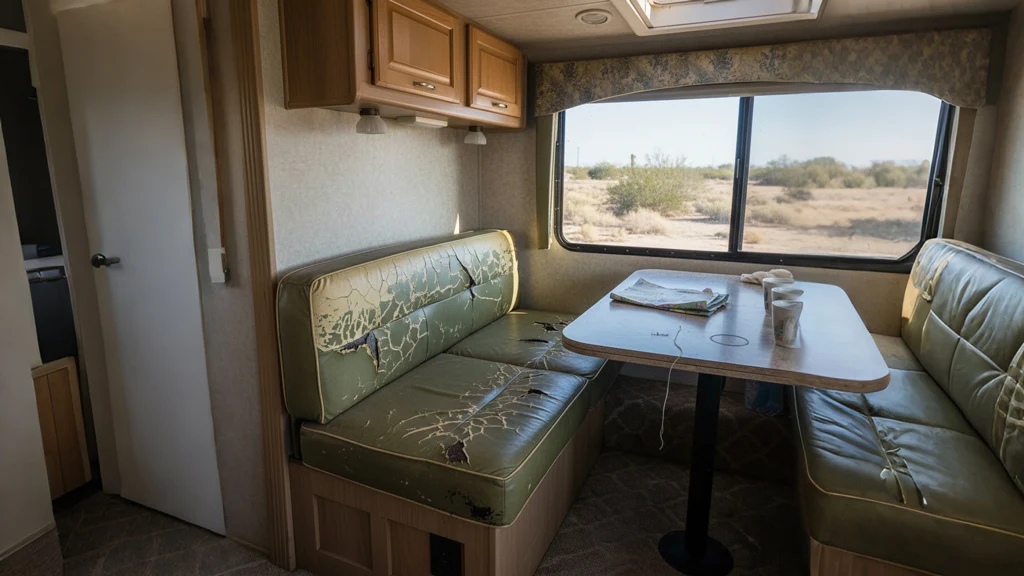
Look, I get it. You're staring at your RV dinette cushions that look like they've been through a blender, and you're wondering how something that seemed so durable when you bought your rig could deteriorate so fast. The good news? You're not alone, and you don't need to replace the entire dinette setup. The better news? Finding the right replacement covers is way easier than most RV dealers want you to believe.
After helping dozens of fellow RVers navigate the world of dinette cushion covers – and making my own fair share of expensive mistakes – I've learned that success comes down to knowing where to look, what questions to ask, and how to avoid the common traps that leave you with covers that don't fit, don't last, or cost three times what they should.
Whether your cushions are suffering from the classic vinyl peeling syndrome, fabric fading, or just general wear from years of family adventures, this guide will walk you through everything you need to know to get your dinette looking and feeling like new again.
Understanding Why RV Dinette Cushions Fail (And Why Covers Are Your Best Solution)
Before diving into where to buy replacement covers, let's talk about why RV dinette cushions seem to have such short lifespans compared to home furniture. Understanding this helps you make better choices when selecting replacements.
The Perfect Storm of RV Conditions
RV cushions face challenges that home furniture never encounters. Extreme temperature swings, constant vibration during travel, limited ventilation, and intense UV exposure through RV windows create a harsh environment that breaks down materials faster than manufacturers often anticipate.
Most original RV cushions use budget-grade vinyl or fabric that looks great on the showroom floor but isn't designed for the reality of RV life. As one RV owner noted, "They were fine, then there was slight peeling, and then they looked awful. It happened pretty quickly." This rapid deterioration is frustratingly common with factory cushions.
Common Manufacturer Claims to Ignore
Don't fall for marketing terms like "marine-grade" or "automotive quality" without doing your research. These terms aren't regulated, and many products using these labels still fail prematurely in RV environments. Focus on specific material compositions and warranty terms instead.
Why Covers Beat Full Replacement
Replacing entire dinette cushions can cost $800-$1500 or more, while quality covers typically range from $200-$500 for a complete set. More importantly, if your cushion foam is still in good shape, new covers can make them feel like brand new cushions at a fraction of the cost.
Covers also offer flexibility that full replacement doesn't. You can change colors, upgrade to better materials, or even switch between different covers for different seasons or uses.
Major Retailers and What They Actually Offer
The RV cushion cover market has exploded in recent years, which is great for options but overwhelming for decision-making. Let me break down the major players and what you can realistically expect from each.

Amazon: The Good, Bad, and Ugly
Amazon has become many people's first stop for RV covers, and for good reason – the selection is huge and delivery is fast. However, quality varies dramatically, and the search function isn't great for finding RV-specific solutions.
The biggest advantage of Amazon is the return policy. If covers don't fit properly, returns are usually hassle-free. The downside is that you're often buying blind – product photos may not accurately represent colors or materials, and sizing information can be unreliable.
Amazon Shopping Strategy
Read reviews from verified purchasers who mention specific RV models. Look for reviews with photos showing actual installations. Avoid products with only generic positive reviews or no RV-specific feedback.
Specialized RV Retailers
Dedicated RV retailers like RV Seat Covers offer specialized products with pricing around $299.99 for imitation leather standard dinette sets, often with better understanding of RV-specific fitment issues. These retailers typically offer more durable materials designed specifically for RV conditions.
The trade-off is usually higher prices and longer lead times, but you're more likely to get products that actually fit properly and last longer. Many offer phone support from people who understand RV-specific challenges.
Custom Manufacturers
For RVers with non-standard dinette configurations or specific material preferences, custom manufacturers offer the most flexibility. Companies specializing in marine and RV upholstery can create covers that fit perfectly and use materials suited to your specific needs.
Custom RV cushions represent the premium option, with pricing that reflects the personalized service and superior materials, but the fit and longevity often justify the investment for serious RVers.
Measuring Your Dinette: Getting It Right the First Time
This is where most people mess up, and I learned this lesson expensively. Measuring RV dinette cushions isn't as straightforward as it seems, and small errors can result in covers that don't fit properly.
Beyond Length and Width
Most people remember to measure length and width but forget about thickness, corner radius, and cushion compression. RV dinette cushions often have rounded corners, and the radius of these corners affects how covers fit.
Thickness matters more than you might think. Covers designed for 2-inch cushions won't fit properly on 4-inch cushions, even if the length and width are correct. They'll be too loose and won't look or feel right.
Essential Measurements Checklist
-
Length of cushion surface (not including any overhangs)
-
Width of cushion surface
-
Thickness at the thickest point
-
Corner radius (if rounded corners)
-
Any cutouts or special shapes
-
Attachment method (ties, velcro, elastic, etc.)
-
Total number of pieces needed
Dealing with Irregular Shapes
Many RV dinettes have irregular shapes – cutouts for table pedestals, angled corners, or custom configurations. For these situations, making a paper template can be incredibly helpful when communicating with cover manufacturers.
Take photos of your cushions from multiple angles, including close-ups of any special features or attachment points. These photos often communicate details that measurements alone can't capture.
Material Choices: What Actually Works in RVs
The material you choose for your covers will determine both how they look and how long they last. RV environments demand materials that can handle temperature extremes, UV exposure, moisture, and regular cleaning.

Marine Vinyl: The Practical Choice
Marine vinyl remains popular for RV applications because it's waterproof, easy to clean, and relatively affordable. Modern marine vinyls are much improved from the cheap stuff that came on many RVs originally.
Look for marine vinyls with UV protection built in, not just applied as a surface coating. The embedded protection lasts much longer and prevents the cracking and fading that plague cheaper alternatives.
Solution-Dyed Acrylic Fabrics
These fabrics offer a more residential feel while still handling RV conditions well. They're breathable, fade-resistant, and available in a wide range of colors and patterns. They do require more maintenance than vinyl but can provide years of service with proper care.
The key is choosing solution-dyed rather than piece-dyed fabrics. Solution-dyed fabrics have color throughout the fiber, not just on the surface, making them much more fade-resistant.
Marine Vinyl Pros
-
Completely waterproof
-
Easy to clean
-
Resistant to stains
-
Generally less expensive
-
Available in many colors
Marine Vinyl Cons
-
Can be hot in summer
-
May crack over time
-
Less breathable
-
Can look "plasticky"
-
May stick to skin when wet
Installation Considerations
Even the best covers won't work if you can't install them properly. RV dinette cushions often have unique attachment methods, and understanding these before you buy can save you significant frustration.
Attachment Methods
RV dinette cushions typically attach to the seating structure in one of several ways: elastic bands, ties, velcro strips, or zippers. Make sure any replacement covers you're considering are compatible with your existing attachment method.
If you're switching attachment methods, factor in the additional work required. Converting from ties to elastic might seem simple, but it often requires modifications to the seating structure.
Professional Installation vs. DIY
Most RV owners can handle cushion cover installation themselves with basic tools and patience. However, some situations – like covers that require significant stretching or complex attachment systems – might warrant professional installation.
Upholstery shops that work on RVs or boats usually have experience with these installations and can often complete the work quickly and efficiently.
Installation Success Tips
Warm covers slightly before installation – they'll stretch easier and conform better. Work systematically from one corner to the opposite, maintaining even tension. Don't rush the process; taking time during installation prevents wrinkles and ensures proper fit.
Budget Planning: What You Should Actually Expect to Pay
RV cushion cover pricing varies dramatically based on materials, customization level, and retailer. Understanding typical price ranges helps you budget appropriately and spot unrealistic deals that might indicate quality issues.

Standard Size Sets
For typical RV dinette configurations (4 pieces: 2 seats and 2 backs), expect to pay:
Budget Options: $150-$250
Mid-Range: $250-$400
Premium/Custom: $400-$800+
Remember that the cheapest option isn't always the best value. Covers that need replacement in one season cost more than higher-quality covers that last several years.
Hidden Costs to Consider
Don't forget to factor in shipping costs, especially for bulky items or expedited delivery. Some retailers offer "free" shipping but build the costs into their product pricing.
Custom covers may require deposits or full payment upfront, which affects your cash flow planning. Also consider whether you'll need professional installation or special tools.
Timing Your Purchase
When you buy RV cushion covers can significantly affect both price and availability. Understanding seasonal patterns in the RV market helps you get better deals and avoid frustrating delays.

Seasonal Considerations
Spring is peak season for RV accessories, which means higher prices but better selection. Fall often offers better deals as retailers clear inventory, but selection may be limited.
Custom covers typically require 2-4 weeks lead time, so plan accordingly if you need covers for a specific trip or season. Ordering during off-peak times often means faster service and better customer support attention.
Planning for Replacement
Don't wait until your current covers are completely unusable. Starting your research while current covers are still functional gives you time to compare options, measure carefully, and wait for sales or better deals.
The best time to buy RV cushion covers is when you don't desperately need them – that's when you make the best decisions and get the best deals.
Quality Red Flags to Avoid
Unfortunately, the RV accessories market includes plenty of products that look great in photos but fail quickly in real-world use. Learning to spot quality red flags can save you money and frustration.
Material Warning Signs
Be skeptical of covers that seem too cheap for the claimed material quality. Genuine marine vinyl from reputable manufacturers costs a certain amount; products claiming to offer the same quality at half the price usually aren't using the same materials.
Avoid products that don't specify material composition or provide vague descriptions like "premium quality" without specifics. Legitimate products will specify exact material types, thickness, and relevant certifications.
Immediate Red Flags
No return policy, generic product photos (not showing actual products), missing contact information, prices that seem too good to be true, and customer service that can't answer basic questions about materials or sizing.
Sizing and Fit Issues
Be wary of "universal fit" claims for RV cushion covers. While some covers are designed to fit multiple configurations, truly universal products often don't fit anything perfectly.
Products that don't provide detailed sizing information or refuse to answer specific questions about fit are usually not worth the risk, especially for custom or unusual configurations.
Maintenance and Longevity
Getting maximum life from your new cushion covers requires understanding proper care and maintenance. Different materials have different requirements, and following manufacturer guidelines can significantly extend cover lifespan.

Cleaning and Care
Establish a regular cleaning routine before covers become heavily soiled. Light, frequent cleaning is easier on materials than intensive deep cleaning when covers are badly stained.
Use cleaners specifically designed for your cover material. Household cleaners may work short-term but can damage materials or void warranties over time.
Protection Strategies
Custom cushion covers represent a significant investment, so protecting them with appropriate care makes financial sense. Consider covers for your covers during extended storage or extreme weather conditions.
UV protection is crucial even inside RVs. Window films or coverings can help reduce UV exposure that causes fading and material degradation.
Your Next Steps to Perfect RV Dinette Covers
The key to success with RV dinette cushion covers isn't finding the cheapest option or the fanciest materials – it's finding the right balance of quality, fit, and value for your specific situation and needs.
Start by carefully measuring your existing cushions and documenting your specific requirements. Then research retailers that specialize in RV applications rather than settling for generic options that might not understand the unique challenges of RV environments.
Whether you choose ready-made covers from specialized retailers or invest in custom RV camper seat cushion covers, prioritize quality materials and proper fit over quick fixes that will need replacement in a year or two.
Remember: your RV dinette is where you'll share meals, play games, and create memories with family and friends. Investing in quality covers that look great and last for years makes every moment in your RV more enjoyable and comfortable.