
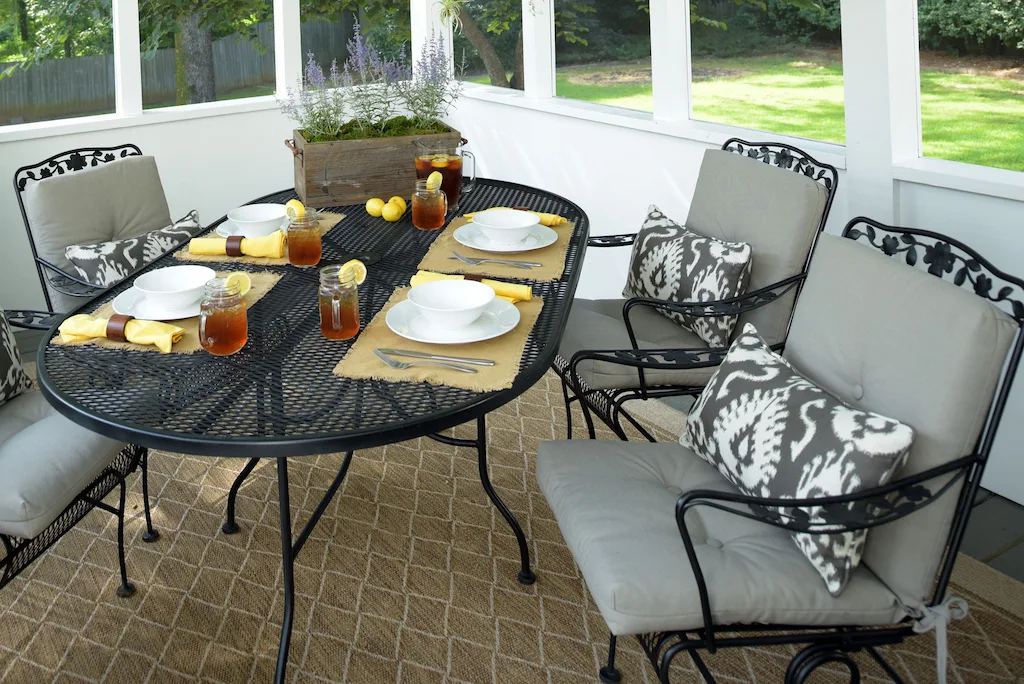
There’s nothing quite like settling into your favorite outdoor chair with a perfectly clean, fresh-smelling cushion beneath you. Yet, if you’re like most homeowners, you’ve probably found yourself staring at weather-beaten, stained cushions wondering where to even begin with cleaning them. I’ve been there too – standing in my backyard, looking at what used to be pristine white bench cushions that had turned into a collection of mysterious stains, bird droppings, and that peculiar green tinge that seems to appear overnight.
The truth is, outdoor furniture cushions face a unique set of challenges that indoor furnishings never encounter. They’re constantly battling UV rays, sudden downpours, morning dew, pollen, insects, and let’s not forget about that unexpected barbecue sauce spill from last weekend’s family gathering. But here’s the good news – with the right approach and techniques, you can restore your garden cushions to their former glory and keep them looking great season after season.
Understanding Your Enemy: What Makes Garden Cushions Dirty
Before we dive into the cleaning solutions, it’s crucial to understand what we’re actually fighting against. Garden furniture cushions don’t just get “dirty” in the traditional sense – they accumulate a complex mixture of organic and inorganic materials that require different treatment approaches.
The most common culprits include pollen (which can be surprisingly stubborn), tree sap that hardens into almost permanent-seeming spots, bird droppings with their acidic properties, food and drink stains from outdoor entertaining, mold and mildew from moisture exposure, and general dust and debris that gets ground into the fabric fibers.
According to the Environmental Protection Agency, mold and mildew growth on outdoor fabrics is particularly concerning because it can become a health hazard if left untreated. This is why regular cleaning isn’t just about aesthetics – it’s about maintaining a healthy outdoor environment for your family.
The Foundation: Regular Maintenance Makes All the Difference
I learned this lesson the hard way after neglecting my cushions for an entire season. What could have been a simple weekly routine turned into a weekend-long restoration project. Now, I swear by a consistent maintenance schedule that keeps major cleaning sessions to a minimum.
Weekly Quick Clean
Every week, I spend about 10 minutes doing a basic brush-off and spot check. This involves using a stiff-bristled brush to remove loose debris, shaking out the cushions to dislodge embedded particles, and doing a quick visual inspection for new stains or problem areas. It’s amazing how much this simple routine prevents buildup.
For the brush-off, I use a medium-stiff bristled brush – not too hard that it damages the fabric, but firm enough to dislodge embedded dirt. The key is brushing in multiple directions to ensure you’re getting debris that might be lodged in different orientations within the fabric weave.
Monthly Deep Inspection
Once a month, I flip the cushions over and check the undersides, examine the seams for signs of wear or mold, and assess whether any stains have set in that need immediate attention. This is also when I check the weather forecast – if rain is coming, it’s the perfect time to do a deeper clean since they’ll need to dry anyway.

Tackling Different Types of Stains: The Targeted Approach
Not all stains are created equal, and I’ve learned that trying to use a one-size-fits-all approach usually leads to frustration and sometimes even permanent damage. Here’s what works for the most common types of stains you’ll encounter:
Organic Stains (Food, Beverages, Plant Matter)
For fresh organic stains, speed is your friend. I immediately blot (never rub!) the stain with clean water to prevent it from setting. For set-in organic stains, I create a solution using 1 part white vinegar to 3 parts warm water. The acidity helps break down the organic compounds without being too harsh on most outdoor fabrics.
One mistake I made early on was using hot water on protein-based stains like spilled burgers or dropped ice cream. Hot water actually sets protein stains, making them much harder to remove. Cold water is always the way to go for these types of accidents.
Mold and Mildew
This is where things get serious. Mold and mildew aren’t just unsightly – they can be health hazards. According to CDC guidelines, outdoor mold exposure can trigger allergic reactions and respiratory issues.
My go-to solution for mold and mildew is a mixture of 1 cup of white vinegar, 1 cup of warm water, and 1 tablespoon of dish soap. I spray this on the affected area and let it sit for about 15 minutes before scrubbing with a soft brush. The vinegar kills the mold spores while the soap helps lift them from the fabric.
Safety Note: Never mix bleach with vinegar or ammonia – this creates dangerous chlorine gas. Always use one cleaning agent at a time and ensure good ventilation when working with any cleaning solutions.
Grease and Oil Stains
These are probably the trickiest stains I deal with, especially when they come from sunscreen or cooking oils from the grill. The key is to absorb as much of the oil as possible before it spreads further into the fabric fibers.
I sprinkle cornstarch or baking soda on fresh oil stains and let it sit for about 30 minutes to absorb the oil. Then I brush it off gently and treat the remaining stain with a mixture of dish soap and warm water. Dish soap is specifically designed to cut through grease, making it perfect for this application.

Deep Cleaning Techniques: When Regular Maintenance Isn’t Enough
Sometimes, despite our best efforts with regular maintenance, cushions need a more intensive cleaning approach. I typically do this twice per season – once at the beginning to prepare for heavy use, and once at the end before storing them for winter.
The Complete Fabric Assessment
Before beginning any deep cleaning, I always check the care labels first. This might seem obvious, but you’d be surprised how many people skip this step and end up damaging their cushions. Some outdoor fabrics are machine washable, while others require hand cleaning only.
I also test any cleaning solution on a small, inconspicuous area first. Even if I’ve used the solution before, different batches of fabric can react differently, and I’d rather discover any issues on a hidden corner than on the front center of a cushion.
Machine Washing (When Appropriate)
For cushions that can be machine washed, I remove all covers and wash them separately from the filling. I use cold water on a gentle cycle with a mild detergent. The key is not to overload the machine – cushion covers need room to move around for effective cleaning.
I never use fabric softener on outdoor cushion covers because it can reduce the fabric’s ability to repel water and stains. Instead, I add a cup of white vinegar to the rinse cycle, which helps remove any detergent residue and naturally softens the fabric.
Hand Cleaning for Delicate or Large Items
For cushions that can’t be machine washed or are too large for my machine, I set up a cleaning station in my backyard. I use a large plastic tub or even just a clean area of my patio with a garden hose.
My deep-cleaning solution consists of 2 gallons of warm water, 1/2 cup of mild laundry detergent, and 1/4 cup of white vinegar. I submerge the cushion covers (or entire cushions if they can’t be separated) and let them soak for about 30 minutes.
After soaking, I use a soft brush to gently scrub problem areas, paying special attention to seams and corners where dirt tends to accumulate. The soaking does most of the work, so aggressive scrubbing usually isn’t necessary and can damage the fabric.
Specialized Cleaning Solutions for Tough Problems
Over the years, I’ve encountered some stains that seemed impossible to remove with standard cleaning methods. Through trial and error (and maybe a few ruined test cushions), I’ve developed some specialized approaches for these challenging situations.
Rust Stains from Metal Furniture
Rust stains are particularly frustrating because they seem to appear out of nowhere and can be incredibly stubborn. I’ve found that a paste made from cream of tartar and lemon juice works remarkably well. The acidity helps dissolve the rust while being gentler on fabrics than commercial rust removers.
I apply the paste to the stain, let it sit for about an hour, then scrub gently with an old toothbrush. For particularly stubborn rust stains, I might need to repeat this process several times, but it’s usually successful eventually.
Tree Sap and Sticky Substances
Tree sap is one of those stains that makes you want to just throw the cushion away and start fresh. But I’ve learned that the key is to harden the sap first by applying ice to it. Once it’s hard, I can usually scrape most of it off with a plastic scraper or even a credit card.
For the remaining residue, I use a small amount of rubbing alcohol on a clean cloth. The alcohol dissolves the sap without damaging most outdoor fabrics, but again, I always test in an inconspicuous area first.
Pet-Related Stains and Odors
As a dog owner, I’ve dealt with my fair share of pet-related cushion incidents. For urine stains, I immediately blot up as much liquid as possible, then treat with a solution of equal parts water and white vinegar. The vinegar neutralizes the ammonia in urine and helps eliminate odors.
For solid waste accidents, I remove the bulk material first, then treat with an enzymatic cleaner specifically designed for pet stains. According to the ASPCA, enzymatic cleaners are essential because they break down the proteins in pet waste that cause lingering odors.
The Drying Process: More Important Than You Think
Proper drying is arguably just as important as the cleaning itself, but it’s something many people don’t give enough attention to. I learned this lesson when I rushed the drying process and ended up with mildew problems that were worse than the original stains I was trying to remove.
Air Drying Best Practices
I always air dry my cushion covers and cushions, never putting them in the dryer. The heat from dryers can shrink outdoor fabrics and damage water-repellent coatings. Instead, I hang cushion covers on a clothesline or lay them flat on a clean surface in direct sunlight when possible.
Sunlight is nature’s disinfectant and can help kill any remaining bacteria or mold spores while also helping to naturally bleach out stains. However, I’m careful not to leave dark-colored fabrics in intense sun for too long as it can cause fading.
Ensuring Complete Dryness
This is crucial – cushions must be completely dry before being put back into service or stored. Even slightly damp cushions can develop mold and mildew quickly in outdoor conditions. I usually leave them out for a full day, flipping them periodically to ensure even drying.
For thicker cushions or in humid climates, this might take longer. I’ve learned to be patient rather than rushing this step, as the consequences of putting away damp cushions are much worse than waiting an extra day for complete drying.

Preventive Measures: Protecting Your Investment
After spending time and effort cleaning cushions, the last thing you want is for them to get dirty again immediately. I’ve developed a few strategies that significantly extend the time between deep cleanings and keep my cushions looking better longer.
Fabric Protection Treatments
Once my cushions are clean and completely dry, I apply a fabric protection spray designed for outdoor use. These sprays create a barrier that helps repel water, stains, and UV damage. I reapply this treatment at the beginning of each season or after deep cleaning sessions.
The investment in a good fabric protector pays off quickly in reduced cleaning time and extended cushion life. I look for products that specifically mention protection against UV rays, water, and stains – the three biggest threats to outdoor cushions.
Strategic Placement and Covers
I’ve learned to think strategically about where I place my cushioned furniture. Positioning seating away from trees reduces exposure to sap and bird droppings, while areas with some overhead protection (like pergolas or awnings) provide shelter from the worst weather without eliminating the outdoor experience.
During periods of extended non-use or severe weather, I invest in quality furniture covers. The key is ensuring the covers allow for air circulation to prevent moisture buildup while protecting from direct exposure to the elements.
Immediate Response Protocol
I’ve trained my family (and frequent guests) to address spills immediately rather than letting them set. We keep a spray bottle with clean water and some clean towels easily accessible near our outdoor seating area. Quick action can prevent many stains from becoming permanent problems.

Seasonal Considerations and Storage
Different seasons present different challenges for outdoor cushion care, and I’ve learned to adapt my approach accordingly. What works great in the dry heat of summer might not be effective during the damp conditions of spring or fall.
Spring Preparation
Spring is when I do my most thorough cleaning after winter storage. Even properly stored cushions can develop mustiness or attract insects during storage. I always start the season with a complete inspection, cleaning, and treatment routine.
This is also when I assess whether any cushions need replacement. After a few seasons, even well-maintained outdoor cushions will show wear, and sometimes replacement is more cost-effective than extensive restoration efforts.
Summer Maintenance
Summer brings intense UV exposure and frequent use, which means more regular maintenance is needed. I increase my cleaning frequency during peak summer months and pay extra attention to sun-fading and heat-related fabric stress.
During heat waves, I sometimes bring cushions into shaded areas during the hottest parts of the day. Extreme heat can break down fabric fibers and make them more susceptible to staining and damage.
Fall Preparation for Storage
Fall preparation is critical for ensuring cushions survive winter storage in good condition. I do a thorough cleaning, ensure complete dryness, and then store cushions in a cool, dry place with good air circulation.
I never store cushions in plastic bags, as trapped moisture can lead to mold and mildew problems. Instead, I use breathable fabric storage bags or simply store them in a well-ventilated garage or shed.

When to Call It Quits: Knowing When Replacement is Better
As much as I hate to admit it, sometimes even the most dedicated cleaning efforts can’t restore a cushion to acceptable condition. Learning to recognize when it’s time to replace rather than continue cleaning attempts has saved me both time and frustration.
Signs It’s Time for Replacement
If fabric is tearing or showing significant wear patterns that compromise its integrity, continuing to clean aggressively will only make the problem worse. Similarly, if mold or mildew has penetrated deeply into cushion filling materials, it may be impossible to completely eliminate, creating ongoing health concerns.
Persistent odors that don’t respond to cleaning treatments often indicate that contamination has reached levels that can’t be reversed. In these cases, replacement is usually the most practical and healthy option.
Cost-Benefit Analysis
I’ve learned to consider the cost of my time and cleaning materials against the price of replacement cushions. Sometimes spending hours on restoration efforts costs more than buying new cushions when you factor in your time value and material costs.
This is particularly true for lower-quality cushions that may not be worth extensive restoration efforts. However, high-quality cushions often justify more intensive cleaning attempts due to their replacement cost.
Professional Cleaning: When to Seek Expert Help
While I handle most of my cushion cleaning myself, there are situations where professional cleaning services might be worth considering. Very expensive or delicate cushions, extensive mold contamination, or valuable antique outdoor furniture might warrant professional attention.
Professional cleaners have access to specialized equipment and cleaning solutions that aren’t available to consumers. They also have experience with a wider range of fabric types and can often achieve results that would be difficult to replicate at home.
The Environmental Impact of Cleaning Choices
As I’ve become more environmentally conscious over the years, I’ve started paying closer attention to the environmental impact of my cleaning practices. Many commercial cleaning products contain chemicals that can be harmful to plants, soil, and groundwater when used outdoors.
I now prioritize biodegradable cleaning solutions and try to minimize runoff into garden areas or storm drains. Simple ingredients like white vinegar, baking soda, and mild dish soap can handle most cleaning tasks without environmental concerns.
According to the EPA’s Safer Choice program, choosing environmentally friendly cleaning products doesn’t mean sacrificing effectiveness. Many green cleaning solutions perform just as well as their chemical-heavy counterparts while being safer for families, pets, and the environment.
Common Mistakes to Avoid
Through years of trial and error, I’ve made plenty of mistakes in cushion cleaning. Here are the most common ones I see people make, along with how to avoid them:
Using too much soap leads to residue buildup that actually attracts more dirt. Less is definitely more when it comes to cleaning solutions. Scrubbing too aggressively can damage fabric fibers and make stains spread rather than removing them. Not testing cleaning solutions in inconspicuous areas first can result in permanent discoloration or damage.
Rushing the drying process is probably the biggest mistake I see, leading to mold and mildew problems that are worse than the original issues. Using hot water on protein stains sets them permanently, making removal much more difficult.
Mixing different cleaning products can create dangerous chemical reactions or reduce the effectiveness of both products. Stick to one cleaning approach at a time.
Building a Maintenance Schedule That Works
The key to keeping garden cushions clean without it becoming a overwhelming chore is developing a realistic maintenance schedule that fits your lifestyle and climate conditions. I’ve found that consistency beats intensity every time.
In my experience, spending 10 minutes weekly on basic maintenance prevents the need for extensive cleaning sessions that can take entire weekends. I keep a simple checklist that includes: visual inspection for new stains or damage, quick brush-off to remove surface debris, spot treatment of any fresh stains, and rotation of cushions to ensure even wear and sun exposure.
Monthly tasks include deeper inspection of seams and undersides, assessment of overall fabric condition, application of spot treatments to developing problem areas, and evaluation of whether any cushions need rotation or replacement.
Seasonally, I do complete deep cleaning, reapplication of fabric protection treatments, assessment and replacement of worn cushions, and preparation for storage or heavy use periods.
Conclusion: Enjoying Clean, Fresh Outdoor Spaces
Maintaining clean garden furniture cushions doesn’t have to be a dreaded chore. With the right approach, tools, and schedule, it becomes a manageable part of outdoor living that pays dividends in comfort, appearance, and longevity of your investment.
The key is understanding that outdoor cushions face unique challenges that require specific solutions. By addressing problems early, using appropriate cleaning methods for different types of stains, and implementing preventive measures, you can keep your outdoor space inviting and comfortable throughout the seasons.
Remember that every outdoor environment is different, and what works perfectly in one climate or setting might need adjustment in another. Don’t be afraid to experiment with different approaches until you find what works best for your specific situation.
Most importantly, don’t let the fear of cleaning keep you from enjoying your outdoor space. With proper maintenance, your garden furniture cushions can provide years of comfortable outdoor living, making all the effort worthwhile.
Transform Your Outdoor Space with Premium Quality Bench Cushions
Ready to upgrade your garden furniture with cushions that are designed to withstand the elements while maintaining their beauty season after season? At Rofielty, we specialize in premium outdoor bench cushions that combine durability, comfort, and easy maintenance.
Our carefully crafted cushions feature weather-resistant fabrics, fade-resistant colors, and thoughtful design details that make cleaning and maintenance simple. Whether you’re replacing worn cushions or starting fresh with new outdoor furniture, our collection offers the perfect blend of style and functionality.
Visit our collection today and discover how the right cushions can transform your outdoor living experience. With proper care using the techniques outlined in this guide, your Rofielty cushions will provide years of comfortable outdoor enjoyment.
Shop our premium bench cushion collection and enjoy free shipping on orders over $75!
No schema found.